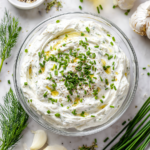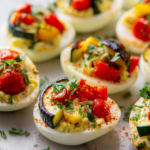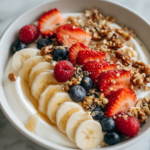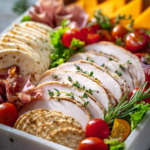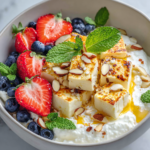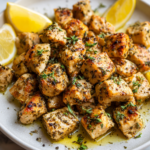
This protein snack plate idea came from a craving for something that’s both satisfying and visually appealing. I wanted to move beyond the usual handful of nuts or slices of cheese, mixing textures and flavors that play well together. It’s about creating a little balanced feast that makes snacking feel intentional, not just filler.
What really makes this plate sing is the contrast—crisp veggies against creamy hummus, smoky meats next to bright pickles. It’s a small, manageable way to treat yourself without overdoing it. Plus, it’s flexible enough to adapt to whatever’s in the fridge, which is a relief on busy days or when I want a quick, nourishing bite.
Focusing on the overlooked art of balancing textures and flavors in a protein snack plate, turning a simple snack into a curated experience that satisfies both the eye and the palate.
The story behind this recipe
- This snack plate idea came from a moment of realizing how much I crave variety in a single bite, especially after long days. I remember pulling out random ingredients from the fridge—some roasted almonds, a few slices of salami, crunchy vegetables—and thinking, why not throw them together? That simple mix turned into my go-to quick snack for feeling both nourished and satisfied without fuss.
- It’s become a little ritual—gathering what’s on hand, balancing textures and flavors, and feeling that tiny rush of pride when it all looks inviting. Plus, it’s a reminder that sometimes, the best snacks are the ones you build yourself, with no rules but your own taste.
- heading: The story behind this recipe
Key Ingredient Insights
- Chicken breast: I prefer it cooked simply—roasted until juicy and tender, with a slightly smoky aroma. You can swap it for turkey or tofu for a different texture, but aim for that firm, satisfying bite.
- Hard-boiled eggs: Nothing beats the creamy yolk paired with the firm white, especially when freshly boiled. If you need a quick upgrade, try marinating them in a splash of soy and sesame for added depth.
- Nuts: I love toasted almonds here—crunchy, slightly sweet, and fragrant. You can substitute walnuts or pecans, but toast them lightly to boost their aroma and crunch.
- Cheese: A sharp cheddar or tangy feta adds a punch of flavor. If dairy’s not your thing, try a nut-based cheese or omit altogether, but keep the savoriness balanced.
- Fresh vegetables: Crisp cucumber, radishes, bell peppers—these offer a refreshing crunch and color. For a twist, add some pickled veggies or olives for that briny punch.
- Dips and spreads: Hummus, tzatziki, or a spicy yogurt sauce bring moisture and flavor. Keep them at room temp before serving so they’re smooth and inviting—no fridge cold here.
- Fruit: A handful of berries or sliced apple adds a sweet, juicy contrast. Use seasonal fruit for the best flavor, and slice thin for quick bites and easy mixing.
Spotlight on key ingredients
Chicken breast:
- I prefer it cooked simply—roasted until juicy and tender, with a slightly smoky aroma. You can swap it for turkey or tofu for a different texture, but aim for that firm, satisfying bite.
- Hard-boiled eggs: Nothing beats the creamy yolk paired with the firm white, especially when freshly boiled. If you need a quick upgrade, try marinating them in a splash of soy and sesame for added depth.
Hard-boiled eggs:
- Nuts: I love toasted almonds here—crunchy, slightly sweet, and fragrant. You can substitute walnuts or pecans, but toast them lightly to boost their aroma and crunch.
- ingredient
Notes for ingredient swaps
- Protein options: Grilled chicken or turkey work well, but tofu or tempeh can be great plant-based swaps with similar texture and flavor.
- Cheese alternatives: Use a nut-based cheese or omit cheese altogether for dairy-free versions without losing the savory punch.
- Nut swaps: Swap almonds for walnuts or pecans, but toast them lightly to bring out their aroma and crunch.
- Vegetable swaps: Radishes or snap peas can replace bell peppers for a different crunch and flavor profile, especially if you want more peppery or sweet notes.
- Dips and spreads: Hummus can be replaced with baba ganoush or a spicy yogurt sauce, depending on your flavor preference, keeping the creaminess intact.
- Fruit options: Berries or sliced apples can be swapped for figs or grapes if in season, adding a different burst of sweetness.
- Fresh herbs: Add basil or dill instead of parsley for a fresh, aromatic twist that complements the other ingredients.
Equipment & Tools
- Chef’s knife: Slice proteins and vegetables efficiently.
- Cutting board: Provide a stable surface for prep.
- Small bowls: Hold dips and spreads for neat presentation.
- Serving plate: Display the snack components attractively.
- Tongs or spoons: Arrange and serve ingredients without mess.
Step-by-step guide to assembling
- Gather all ingredients: cooked chicken, boiled eggs, nuts, cheese, fresh veggies, dips, and fruit. Arrange everything within arm’s reach to streamline the process.
- Prepare the protein components: slice chicken breast into strips or cubes, peel and halve boiled eggs, and crumble or slice cheese. Keep them accessible.
- Arrange the proteins first: create small piles or sections on your plate to keep things organized and visually appealing.
- Add crunch and freshness: sprinkle toasted nuts and arrange sliced cucumbers, radishes, and peppers around the proteins. Aim for a colorful, balanced look.
- Place dips and spreads: spoon hummus, tzatziki, or your chosen spread into small bowls or dollop directly onto the plate near the proteins. Keep at room temp for ease of dipping.
- Finish with fruit: scatter berries or thinly sliced apples across the plate for a juicy contrast. Avoid overcrowding; give each element room to breathe.
- Final check: ensure everything is easily accessible and visually inviting. Adjust for balance and color. Serve immediately or cover loosely if prepping ahead.
Serve immediately for freshness. If prepping ahead, cover loosely with plastic wrap and refrigerate up to 2 hours. Let dips come to room temp before serving for optimal flavor. Plate with a sprinkle of herbs or a drizzle of olive oil for finishing touches.
How to Know It’s Done
- Proteins are at safe internal temperature (chicken ~75°C/165°F).
- Vegetables are crisp, vibrant, and not wilted.
- Dips are smooth, at room temperature, and inviting.
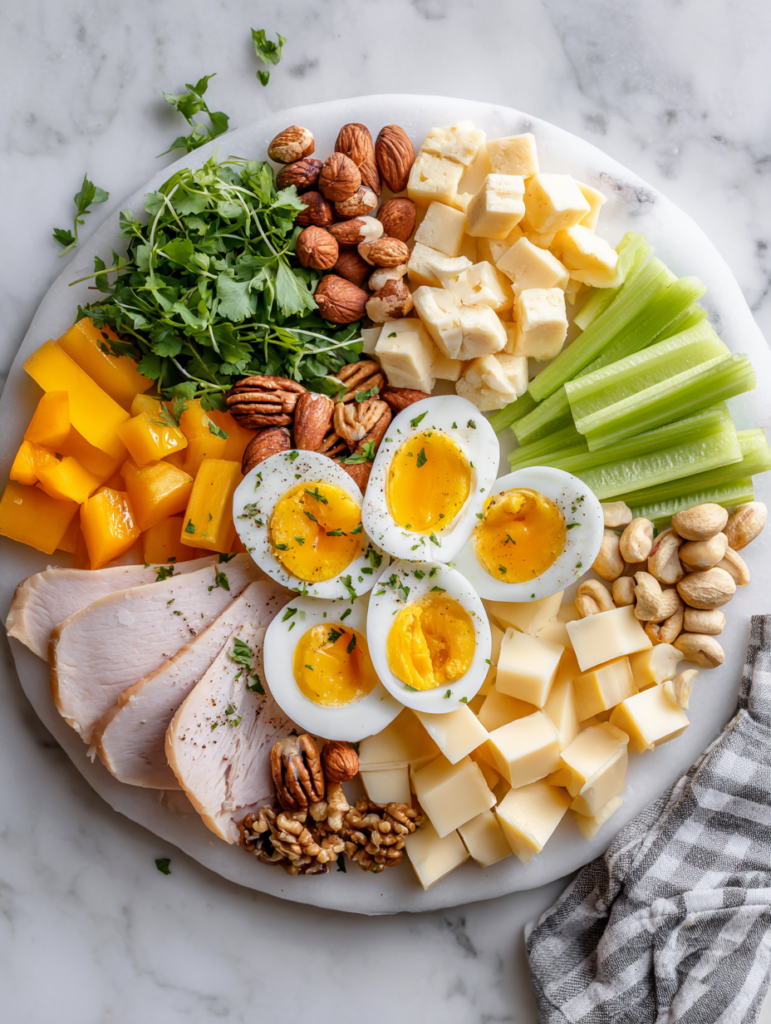
Protein Snack Plate
Ingredients
Equipment
Method
- Arrange the cooked chicken breast on one side of a large serving plate, creating a neat pile or small sections for easy access.
- Place the halved boiled eggs next to the chicken, creating a small cluster to add creamy richness to the plate.
- Sprinkle the toasted almonds over a section of the plate for crunch and aroma.
- Arrange the cubed cheddar cheese in a small pile or in a section, adding a savory bite and visual contrast.
- Lay out the thin slices of cucumber, radishes, and red bell pepper to create colorful, crisp sections around the proteins.
- Spoon the hummus into small bowls or dollop it directly onto the plate near the vegetables for easy dipping.
- Scatter the mixed berries across the plate for a juicy, sweet burst that complements the savory elements.
- Review the arrangement, adjusting ingredients to ensure a balanced, colorful, and inviting presentation.
- Serve immediately, allowing everyone to enjoy the variety of textures and flavors in each bite.
Pro tips for assembling
- Use fresh, room-temperature ingredients to ensure even cooking and vibrant flavors.
- Toast nuts just until fragrant—crucial for that deep, nutty aroma and crunch that stands out.
- When roasting proteins, pat dry before cooking to achieve a crisp exterior and prevent steaming.
- Keep dips at room temperature for a creamy, smooth consistency—cold dips can be stiff and less inviting.
- Balance your plate by adding elements of contrasting textures—crisp, creamy, chewy, and tender—each bite more interesting.
- Use a gentle hand when arranging components—visual appeal makes the snack more enticing and enjoyable.
- Rest the assembled plate for 5 minutes before serving—allows flavors to meld and ingredients to settle.
Common mistakes and how to fix them
- FORGOT to consider texture balance, fix by adding more crunchy elements.
- DUMPED too much salt initially, fix by rinsing or reducing salt in other ingredients.
- OVER-TORCHED nuts, fix by toasting at lower temp and watching closely.
- MISSED the resting step, fix by letting the plate sit uncovered for 5 minutes.
Quick fixes and pantry swaps
- When sauce is too thick, splash in a little water and stir gently to loosen.
- If nuts burn quickly, lower the oven temperature or toast on a baking sheet lined with parchment.
- DUMPED too much salt? Rinse some ingredients or balance with a squeeze of lemon or a drizzle of honey.
- Splash hot water on a stubborn lid to loosen it if stuck, saving frustration in seconds.
- heading: “Fast kitchen fixes”
Prep, store, and reheat tips
- Prepping proteins and chopped veggies the day before saves time; keep them in airtight containers in the fridge for up to 24 hours, where they’ll stay crisp and fresh.
- Hard-boiled eggs can be made up to 2 days ahead; store peeled or unpeeled in a sealed container, noting that the yolks may become slightly firmer over time.
- Nuts can be toasted and stored in an airtight jar for a week; their aroma and crunch are at their best when freshly toasted but still good days later.
- Dips like hummus or yogurt-based spreads can be prepared a day ahead; keep at room temperature or refrigerated, but bring to room temp before serving for smoothness and better flavor.
- Reheating isn’t necessary for this plate, but if you want to serve warmed proteins, gently reheat in a low oven or microwave, watching for heat spots and ensuring they don’t dry out or become rubbery.
Top questions about protein snack plate
1. What exactly is a protein snack plate?
A protein snack plate is a curated mix of high-protein foods like meats, eggs, nuts, cheese, and vegetables, arranged for snacking. It’s about balancing textures and flavors to make each bite satisfying and colorful.
2. What proteins work best for this plate?
Use cooked, sliced chicken or turkey, boiled eggs, nuts, and hearty cheeses. Incorporate crisp vegetables and a flavorful dip for contrast.
3. Can I make this ahead?
Prepare the proteins ahead—boil eggs, cook or roast meats—and chop vegetables. Assemble just before serving to keep everything fresh and crunchy.
4. How should I store leftovers?
Yes, store cooked proteins, chopped veggies, and nuts in airtight containers. Keep dips at room temp or refrigerated. Assemble close to serving time for best texture.
5. How do I make it visually appealing?
Choose ingredients that complement each other—crisp, creamy, salty, fresh—to create a satisfying variety. Think contrast in textures and flavors.
6. How do I arrange the plate?
Use a large plate or board, arrange ingredients in sections or small piles, and add colorful vegetables and fruits for vibrancy.
7. Can I customize the ingredients?
Swap nuts for seeds, cheese for plant-based options, or meats for tofu. Use seasonal veggies and fruits to keep it fresh and personalized.
8. What temperature should cooked proteins be?
Keep dips at room temperature for better consistency. Make sure proteins are cooked to safe temperatures (chicken ~75°C/165°F).
9. Any tips for better flavor?
Use fresh, high-quality ingredients for better flavor. Toast nuts for extra aroma; don’t overcook proteins to keep them juicy.
10. How do I balance textures?
Use a variety of textures—crunchy nuts, tender meats, creamy dips, crisp veggies—to keep each bite exciting.
This protein snack plate is more than just a quick bite; it’s a little ritual of balancing flavors and textures that keeps me grounded. When I plate it up, I’m reminded to enjoy the simple act of assembling something nourishing and colorful. It’s a small, satisfying moment amid busy days.
In a world of quick fixes and over-complicated snacks, this plate feels honest and real. It’s flexible, forgiving, and always a reminder that good food can be straightforward and deeply satisfying. Sometimes, the best snacks are the ones you build yourself, bite by bite.
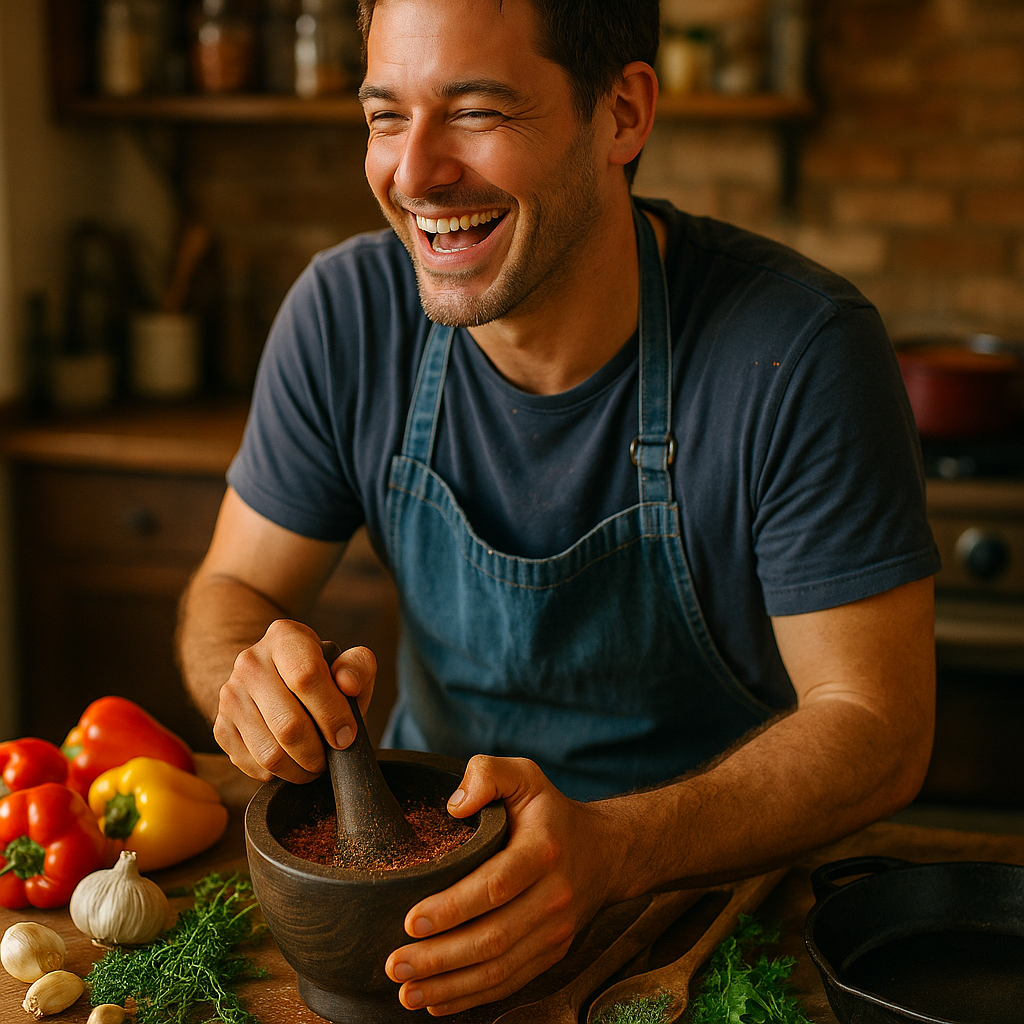
Hi, I’m Theo Granger, a former line cook and unapologetic flavor maximalist from New Orleans. I believe there are two types of people in this world: those who season their food, and those who LIVE to season their food. This blog is for the latter.