
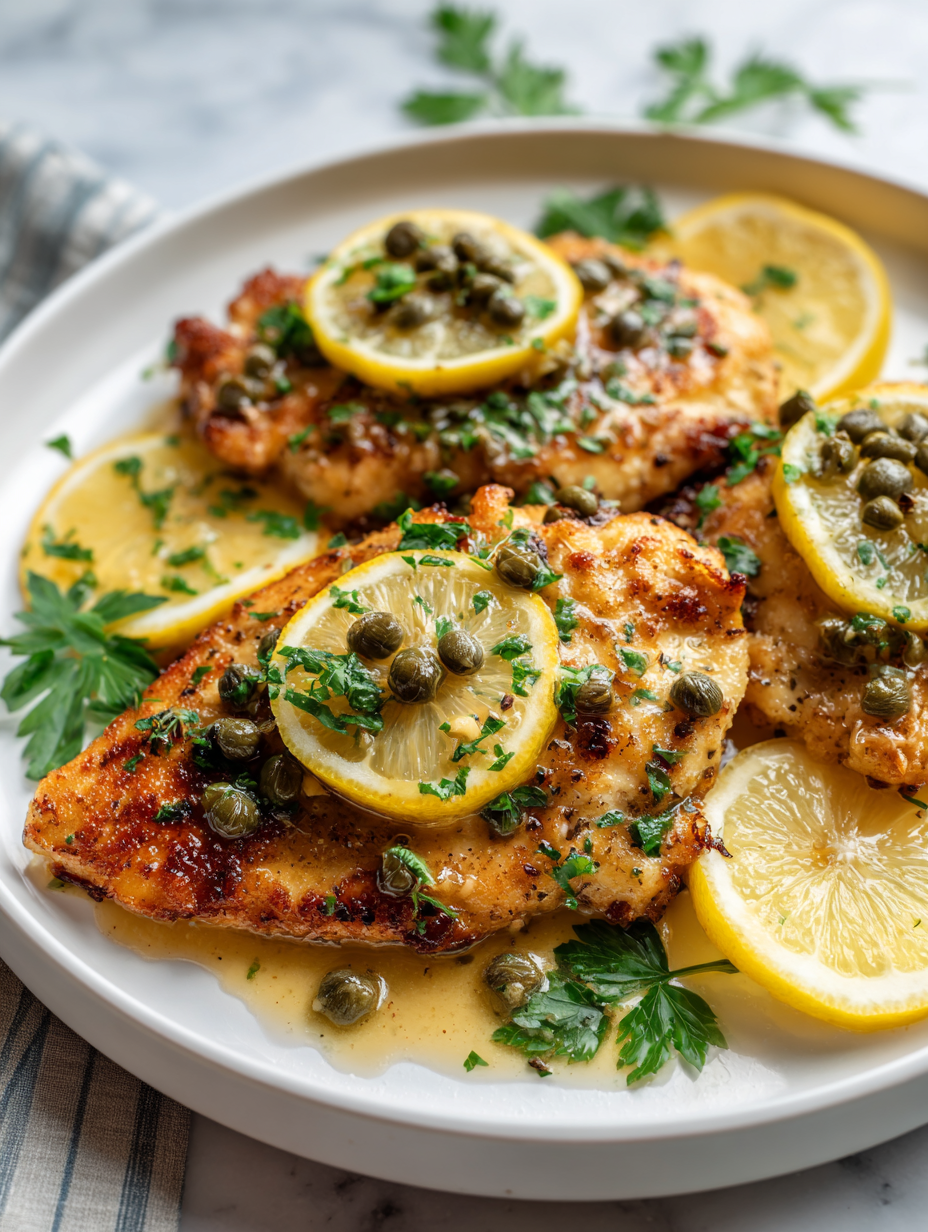
Chicken Piccata often gets painted as a fancy Italian dish, but really, it’s a simple, honest cook’s secret to brightening weeknights. The way the lemon and capers dance in the pan, they turn humble chicken into something almost musical on the plate. I love how it’s all about balance—sharp, briny, and just a touch rich, like a quick snapshot of Italy on your dinner plate.
What keeps me coming back to this recipe isn’t just the flavor, but the process. It’s fast, doesn’t demand fancy ingredients, and rewards you with a burst of freshness that cuts through the tiredness of a long day. It’s one of those dishes that feels like a small victory—simple ingredients, big punch, and that satisfying crackle of a well-seared chicken.
It’s a dish I keep in my back pocket when I want something comforting but lively, something that makes the table feel a little more special without much fuss. The lemon’s zing, the capers’ briny pop—these are the moments I crave when I need a quick lift, a reminder that good food doesn’t have to be complicated to be memorable.
Focusing on how the bright, punchy lemon and briny capers cut through the richness of the chicken, this dish becomes a balancing act of bold flavors. It’s a recipe that’s about sharpening your senses and trusting the simple ingredients to shine, turning what seems straightforward into a lively, almost musical experience on the plate.
Balancing Brightness and Brininess
- This dish reminds me of summer nights in Italy, where the lemon and capers sing against the simple chicken.
- I used to shy away from lemon in savory dishes, but now I see it as the secret to making everything feel fresh.
- There’s a chaotic joy in getting that perfect sear—crispy outside, juicy inside, with a zingy sauce that ties it all together.
- Every time I make this, I feel like I’ve cracked a culinary code—simple, fast, and bursting with flavor.
The inspiration behind this dish
This recipe came together on a rainy afternoon when I was craving something bright and straightforward. I remembered the way my grandma used to cook chicken with a splash of lemon and a handful of capers, a dish that felt both humble and celebratory. I started experimenting with different cuts and sauces, but kept coming back to that simple, punchy flavor combination. It’s a dish that feels like a quick escape to Italy, even if just for dinner.
Historical & Cultural Notes
- Chicken Piccata has roots in Italian-American cuisine, popularized in New York pizzerias in the mid-20th century.
- The dish showcases the Italian technique of ‘schnitzel-style’ breading, adapted for quick, pan-fried chicken.
- Capers, originally used in Mediterranean cooking, add a briny punch that balances the lemon’s brightness.
- Its bright, punchy flavors reflect Italy’s coastal cuisine, emphasizing simple, fresh ingredients with bold contrasts.
Key Ingredients and Tips
- Chicken breast: I prefer skinless, boneless for quick cooking, but if you want more flavor, go for bone-in, skin-on—just adjust the cook time. The lean meat can dry out if overcooked, so keep an eye on it.
- Lemon: Bright and zesty, I squeeze fresh lemon just before serving to keep the zing lively. If you want a milder tang, reduce the lemon juice slightly or add a touch of zest for extra brightness.
- Capers: These tiny briny bursts add depth, and I like to rinse them to tame the saltiness a bit. For a milder flavor, use fewer capers or try green olives if you want a different briny punch.
- Butter: I use unsalted butter for control, but if you only have salted, cut back on added salt in the sauce. The butter gives the sauce its silky, luxurious texture—don’t skip it.
- White wine: Adds a subtle acidity and complexity. If you’re avoiding alcohol, substitute with chicken broth or water, but be prepared for a slightly less layered sauce.
- Flour: For dredging, I prefer all-purpose flour, but cornstarch works in a pinch if you want a gluten-free version—just dust lightly to avoid clumping. It helps create that crispy exterior.
- Olive oil: I keep it simple with a good-quality extra virgin for searing. If you want a fruitier note, try a lighter oil; for a richer sear, a splash of butter in the pan at the end works wonders.
Spotlight on Key Ingredients
Lemon:
- I squeeze fresh lemon right before serving to keep that lively, zesty punch. The aroma alone lifts the dish instantly.
- Capers: These tiny briny bursts add a punch of saltiness and tang, and I rinse them to tame the salt if needed. They soften slightly and release a fragrant, vinegary aroma as they cook.
Capers:
- Chicken breast: I prefer skinless, boneless for quick, even cooking. When pounded thin, it sears fast and stays juicy inside, with a crisp exterior when done right.
- These tiny briny bursts add a punch of saltiness and tang, and I rinse them to tame the salt if needed. They soften slightly and release a fragrant, vinegary aroma as they cook.
Notes for ingredient swaps
- Dairy-Free: Use coconut milk or a splash of dairy-free butter for a creamy sauce. The flavor will be richer and slightly sweeter, but still bright.
- Gluten-Free: Swap all-purpose flour for rice flour or cornstarch. It crisps up nicely without gluten, though it might be a touch lighter in texture.
- Low-Sodium: Rinse capers well or substitute with green olives for less salt. Be mindful of the salt in your broth or wine, if used.
- Vegan: Replace chicken with firm tofu or cauliflower. Use a vegan butter or olive oil for searing, and skip the wine or use a non-alcoholic substitute.
- Extra Bright: Add a splash of white wine vinegar or a pinch of lemon zest to amplify the lemon punch. It’s a quick boost for the sauce’s zing.
- Herb Variations: Swap parsley for basil or thyme to alter the aroma. Fresh herbs keep it lively but change the flavor profile.
- Oil Choices: Use avocado oil or light olive oil for searing if you prefer a different flavor or higher smoke point. It won’t change the dish’s core, just the subtle notes.
Equipment & Tools
- Large skillet: For even searing and sauce making.
- Meat mallet or rolling pin: To pound chicken thin for quick cooking.
- Shallow dish: For dredging chicken in flour.
- Lemon juicer or reamer: To extract fresh lemon juice efficiently.
- Spatula or tongs: To flip chicken and stir sauce.
Step-by-step Guide to Chicken Piccata
- Equipment & Tools: Use a large skillet (preferably stainless steel) for even heat. Have a meat mallet or rolling pin ready for pounding chicken thin, and a shallow dish for flour. A spatula or tongs help with flipping. Keep a lemon juicer or reamer handy for quick citrus squeezing.
- Pound chicken to about 1/2 inch thickness, about 3-4 minutes per piece. Season generously with salt and pepper. Dredge each piece in flour, shaking off excess. Set aside.
- Heat 2 tbsp olive oil over medium-high (around 180°C/350°F). When shimmering, add chicken. Sear until golden, about 3 minutes each side. Adjust heat if it’s smoking or burning. If sticking, lift gently—don’t force.
- Remove chicken, set aside. In same pan, add 1/4 cup white wine (or broth). Scrape bottom to deglaze, cook until alcohol smell fades, about 1-2 minutes.
- Add 2 tbsp butter, lemon juice (from 1-2 lemons), and 2 tbsp capers. Stir until butter melts and sauce slightly thickens, about 2 minutes. Watch for a bubbling, slightly frothy sauce with a bright aroma.
- Return chicken to pan, spoon sauce over. Cook for another minute to reheat and meld flavors. Check for a firm but tender texture and a glossy, lemon-bright look.
- Plate chicken, spoon sauce generously over. Garnish with lemon slices or parsley if desired. Rest for 1-2 minutes before serving to let flavors settle.
- Resting & Finishing: Let the chicken rest briefly to keep juices in. Finish with a final squeeze of lemon for extra zing. Serve immediately with a side of greens or pasta.
- Checkpoints & How to Know It’s Done: Chicken should register 75°C/165°F internally, with a golden crust. Sauce should be glossy and slightly thickened. The capers and lemon brightens should pop in each bite.
Allow the chicken to rest for 1-2 minutes after removing from heat. Top with a squeeze of fresh lemon and a sprinkle of parsley if you like. Serve immediately with your choice of side for maximum brightness.
How to Know It’s Done
- Chicken registers 75°C/165°F internally and is cooked through.
- Golden brown crust with a slight crispy exterior.
- Sauce is glossy, slightly thickened, and bright with lemon and capers.
Chicken Piccata
Ingredients
Equipment
Method
- Pound each chicken breast between two sheets of plastic wrap until about 1/2 inch thick, then season generously with salt and pepper.
- Dredge each chicken piece in flour, shaking off excess to create an even, light coating.
- Heat olive oil in a large skillet over medium-high heat until shimmering, then carefully add the chicken. Sear until golden brown, about 3 minutes per side, then transfer to a plate.
- Pour white wine into the same skillet, scraping up browned bits from the bottom and cooking until the liquid reduces slightly, about 1-2 minutes.
- Add butter, freshly squeezed lemon juice (from one lemon), and rinsed capers to the skillet. Stir until the butter melts and the sauce becomes glossy and fragrant, about 2 minutes.
- Return the chicken to the pan, spooning sauce over each piece, and cook for another minute to reheat and meld the flavors.
- Transfer the chicken to plates, spoon additional sauce over the top, and squeeze fresh lemon over each serving for an extra zing.
- Garnish with fresh herbs like parsley if desired, then serve immediately with your favorite sides.
Notes
Tips for Perfect Chicken Piccata
- Searing temperature: Ensure your pan is hot enough (around 180°C/350°F) for a crisp crust without burning the flour coating.
- Lemon zest: Add lemon zest early in the sauce for a fragrant, bright aroma that amplifies the lemon juice’s punch.
- Capper rinse: Rinse capers lightly to cut excess salt—this keeps the sauce balanced without overwhelming briny notes.
- Deglazing: Use white wine or broth to deglaze the pan, scraping up browned bits—this adds depth and flavor to your sauce.
- Butter finish: Finish the sauce with a tablespoon of butter off heat for a silky texture and glossy shine, avoiding separation.
- Rest time: Let the chicken rest for 1-2 minutes after cooking to keep juices in and prevent dryness when slicing.
- Lemon punch: Just before serving, squeeze fresh lemon to keep the flavor vibrant and avoid dullness in the sauce.
Common mistakes and how to fix them
- FORGOT to dry chicken thoroughly → results in uneven searing; pat dry before coating.
- DUMPED too much flour → causes soggy crust; shake off excess for crispiness.
- OVER-TORCHED pan → burns butter and masks lemon-briny flavors; keep heat moderate.
- MISSED the resting step → juice loss; let chicken rest 1-2 minutes before serving.
Quick Fixes and Pantry Swaps
- When sauce shimmers and lemon aroma is bright, it’s ready to serve.
- Splash a bit of water if sauce thickens too much and dulls in flavor.
- Patch burnt pan bits with a little water and scrape—quick flavor boost.
- Shield overcooked chicken with foil and gently reheat for moisture.
- If capers are too salty, rinse thoroughly or substitute with green olives for a milder briny note.
Prep, store, and reheat tips
- Prep the chicken: Pound and dredge the chicken breasts up to a day ahead, then refrigerate uncovered to keep them dry and ready to cook. The lemon juice is best added fresh, but you can squeeze and store it in the fridge for a few hours.
- Store the sauce separately: Make the lemon-caper sauce up to 2 days in advance and keep in an airtight container in the fridge. Reheat gently on low, watching for bubbling and bright aroma revival.
- Shelf life: Cooked chicken piccata is best enjoyed within 2 days. After that, the chicken may dry out, and the lemon flavor can dull. The sauce may separate slightly but can be whisked back together with a gentle stir.
- Reheating tips: Warm in a skillet over low heat, adding a splash of chicken broth or water to loosen the sauce. Keep a close eye; the sauce should shimmer and smell lemon-briny, not burnt. Rest the chicken briefly after reheating to reabsorb juices.
Top questions about Chicken Piccata
1. Why use fresh lemon juice instead of bottled?
Fresh lemon juice adds a bright, zesty punch that can’t be matched by bottled. Squeeze right before serving to keep that vibrant aroma.
2. Should I rinse the capers? How does it affect flavor?
Capers are naturally salty and tangy, so rinsing them reduces excess saltiness. Use fewer if your sauce tastes too briny or salty.
3. How do I know when the chicken is cooked properly?
Cooking chicken to an internal temperature of 75°C (165°F) ensures it’s fully done but still juicy. Use a meat thermometer for precision.
4. Can I make this gluten-free?
Dredging chicken in flour creates a crispy exterior that holds the sauce well. For gluten-free, try rice flour or cornstarch, but expect a lighter crust.
5. How can I make the sauce richer or lighter?
For a richer sauce, add an extra tablespoon of butter off the heat. If you prefer it lighter, skip it or use olive oil only.
6. Why do I need to pound the chicken thin?
Pounding the chicken thin helps it cook evenly and quickly, about 3-4 minutes per side. Use a meat mallet or rolling pin for best results.
7. How hot should the pan be for searing?
Use a hot pan (around 180°C/350°F) to sear the chicken quickly, developing a beautiful golden crust without burning. Adjust heat as needed.
8. How do I reheat leftovers without losing flavor?
Reheat gently in a skillet with a splash of broth or water. Keep it just simmering until the sauce shimmers and smells fresh lemon-briny.
9. Should I add lemon zest or juice first?
Adding lemon zest early in the sauce boosts its aromatic brightness, making each bite more lively and fresh.
10. What if the sauce becomes too thick or separates?
If the sauce separates or thickens too much, whisk in a little warm water or broth to loosen and revive its shine and flavor.
Making chicken piccata is a reminder that simple ingredients, when treated with a little care, can create something truly lively and satisfying. It’s a dish that celebrates brightness—lemon, capers, and a quick sear—that keeps me coming back when I want a quick, flavorful escape.
In the end, it’s about those small moments—hearing the crackle of chicken hitting the pan, smelling the zesty aroma, and tasting that perfect balance of tang and briny punch. It’s a dish that feels like a quick win, every time.

Hi, I’m Theo Granger, the voice and recipe creator behind Boldly Overseasoning.
If you believe salt is not the enemy, spices should be generous, and flavor should never whisper when it can sing, then you are absolutely in the right place. Boldly Overseasoning is my unapologetic celebration of big flavor, confident cooking, and trusting your instincts in the kitchen. I created this space for people who are done with bland food and ready to cook with courage.

Leave a Reply