
What I love about honey mustard chicken is how a simple sauce can totally elevate a basic piece of poultry. It’s not just about the sweetness or the tang, but how those flavors mingle and cut through the richness of the meat. It’s a surprisingly forgiving recipe, perfect for those nights when you want something quick but still crave that layered complexity.
I’ve played around a lot with this dish, tweaking the balance between honey’s mellow sweetness and mustard’s sharp bite. Over the years, I’ve learned that the secret isn’t in the fancy ingredients but in the way you taste and adjust as you go. It’s one of those recipes that keeps me experimenting, always searching for that perfect harmony on my plate.
Focusing on the overlooked art of balancing sweetness and acidity in honey mustard chicken, this recipe highlights how a simple condiment can transform a humble weeknight dinner into a tangy, savory experience that keeps me coming back.
Balancing Sweetness and Sharpness
- This recipe reminds me of summer evenings at my grandma’s, where the air was thick with the scent of honey and fresh herbs.
- I used to dread weeknights until I discovered how a simple honey mustard glaze could turn a plain chicken breast into something special.
- There’s a quiet pride in mastering the perfect balance of sweet and tang—it’s like capturing a moment of harmony in every bite.
- Honestly, making this dish feels like a small victory after a long day, when I just want something honest and satisfying.
- Every time I cook this, I remember why I started experimenting in the kitchen—it’s about finding joy in simple, imperfect moments.
The story behind this recipe
- This recipe came about unexpectedly one rainy Sunday. I was rummaging through my fridge, craving comfort but wanting something bright. The honey mustard combo struck me as a way to add both sweetness and a touch of sharpness in one go, which is just what I needed that day.
- Over time, I realized how this simple sauce can turn an ordinary chicken dinner into something memorable—kind of like a small celebration in the middle of a busy week.
- It’s become a go-to when I want something fast but flavorful, and I love how adaptable it is—serve it with rice, greens, or even roasted veggies. This dish reminds me that sometimes, the best ideas are born from a moment of improvisation.
Historical and Cultural Roots
- Honey mustard sauce likely originated in France, where French chefs prized balancing sweet and tangy flavors in classic sauces.
- During WWII, honey and mustard became popular pantry staples for quick, flavorful meals, influencing simple recipes like this one.
- This dish echoes farm-to-table traditions, where local honey and mustard seeds were combined to preserve and enhance fresh poultry.
- In the 1960s, honey mustard gained popularity in American diners, evolving into the versatile condiment we now cherish in everyday cooking.
Key Ingredients and Tips
- Honey: I prefer a floral, slightly thick honey that drips easily and adds a sweet, golden glow. If yours is too runny, it might dilute the sauce. Try a different brand or warm it slightly to loosen it up.
- Dijon Mustard: The sharpness really cuts through the sweetness. I like a grainy Dijon for texture, but smooth works just as well. If you want milder, go for a honey-mustard blend, but skip the extra sugar.
- Chicken Breast: I use skinless, boneless breasts—easy to cook evenly. For juicier results, pounded to even thickness. If your chicken is thicker, add a few extra minutes and check for firm, not rubbery.
- Vinegar: A splash of apple cider vinegar brightens the sauce with a tangy kick. If you don’t have it, lemon juice is a good substitute, but don’t skip the acid—your sauce will be flat.
- Garlic: Fresh, minced garlic adds a pungent aroma and depth. If you only have garlic powder, halve the amount and add it earlier in the cooking process to develop flavor.
- Olive Oil: A good drizzle helps sear the chicken and meld flavors. If you prefer a lighter version, use clarified butter or a neutral oil like canola, but avoid skipping the fat altogether.
- Salt & Pepper: I keep it simple here, but taste as you go. A pinch of smoked paprika can add a subtle smoky note if you’re feeling adventurous.
Spotlight on key ingredients
Honey & Dijon Mustard:
- Honey: I prefer a floral, slightly thick honey that drips easily and adds a sweet, golden glow. If yours is too runny, it might dilute the sauce. Try a different brand or warm it slightly to loosen it up.
- Dijon Mustard: The sharpness really cuts through the sweetness. I like a grainy Dijon for texture, but smooth works just as well. If you want milder, go for a honey-mustard blend, but skip the extra sugar.
Chicken & Vinegar:
- Chicken Breast: I use skinless, boneless breasts—easy to cook evenly. For juicier results, pounded to even thickness. If your chicken is thicker, add a few extra minutes and check for firm, not rubbery.
- Vinegar: A splash of apple cider vinegar brightens the sauce with a tangy kick. If you don’t have it, lemon juice is a good substitute, but don’t skip the acid—your sauce will be flat.
Notes for ingredient swaps
- Honey: I prefer a floral, slightly thick honey that drips easily and adds a sweet, golden glow. If yours is too runny, it might dilute the sauce. Try a different brand or warm it slightly to loosen it up.
- Dijon Mustard: The sharpness really cuts through the sweetness. I like a grainy Dijon for texture, but smooth works just as well. If you want milder, go for a honey-mustard blend, but skip the extra sugar.
- Chicken Breast: I use skinless, boneless breasts—easy to cook evenly. For juicier results, pounded to even thickness. If your chicken is thicker, add a few extra minutes and check for firm, not rubbery.
- Vinegar: A splash of apple cider vinegar brightens the sauce with a tangy kick. If you don’t have it, lemon juice is a good substitute, but don’t skip the acid—your sauce will be flat.
- Garlic: Fresh, minced garlic adds a pungent aroma and depth. If you only have garlic powder, halve the amount and add it earlier in the cooking process to develop flavor.
- Olive Oil: A good drizzle helps sear the chicken and meld flavors. If you prefer a lighter version, use clarified butter or a neutral oil like canola, but avoid skipping the fat altogether.
- Salt & Pepper: I keep it simple here, but taste as you go. A pinch of smoked paprika can add a subtle smoky note if you’re feeling adventurous.
Equipment & Tools
- Large skillet (preferably cast iron): For even searing and sauce caramelization.
- Sharp knife: To trim and pound chicken evenly.
- Meat thermometer: To check internal temperature for perfect doneness.
- Whisk: To blend sauce ingredients smoothly.
Step-by-step guide to honey mustard chicken
- Equipment & Tools: Gather a large skillet (preferably cast iron) for even heat, a sharp knife to trim chicken, a meat thermometer to check doneness, and a whisk for sauce mixing.
- Prepare the chicken: Pound chicken breasts to an even 1.5 cm (0.6 inch) thickness for uniform cooking. Season both sides with salt and pepper.
- Make the honey mustard glaze: In a small bowl, whisk together 3 tbsp honey, 2 tbsp Dijon mustard, 1 tbsp apple cider vinegar, and a minced garlic clove. Set aside.
- Heat the skillet: Place over medium-high heat (about 200°C/390°F). Add a drizzle of olive oil, enough to lightly coat the surface. Wait until it shimmers.
- Sear the chicken: Place breasts in the hot skillet. Cook for about 4-5 minutes per side, or until golden brown and juices run clear. Use the thermometer to check: internal temp should reach 74°C (165°F).
- Add the glaze: Reduce heat to medium. Pour the honey mustard sauce over the chicken. Cook for another 2-3 minutes, spooning sauce over the breasts until slightly thickened and sticky.
- Check for doneness: Ensure the chicken’s internal temperature is 74°C (165°F). The sauce should be glossy and clingy, with a fragrant tang of garlic and mustard.
- Rest the chicken: Transfer to a plate, tent loosely with foil, and rest for 3-5 minutes. This keeps the juices in, making the chicken tender and flavorful.
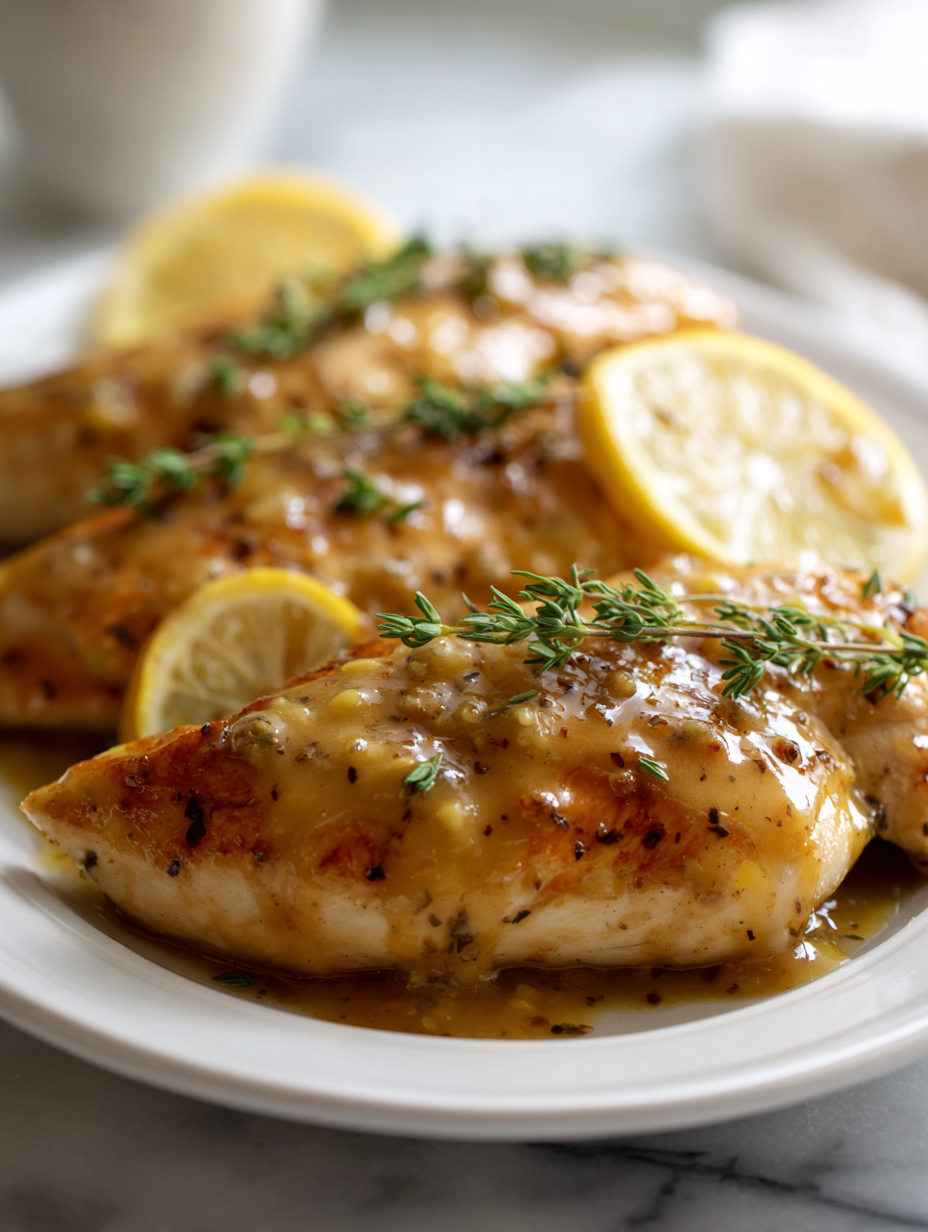
- Serve: Slice the chicken if desired, drizzle with the remaining sauce from the pan, and serve immediately with your favorite sides. The sauce should be oozing and fragrant, coating the chicken beautifully.
Transfer chicken to a plate, tent with foil for 3-5 minutes. Serve sliced or whole, drizzled with pan sauce for maximum flavor. Pair with greens or rice for a complete meal.
How to Know It’s Done
- Chicken reaches 74°C (165°F) internally, no pink remaining.
- Sauce is glossy, sticky, and fragrant with garlic and mustard.
- Chicken is golden and juices run clear when pierced.
Honey Mustard Chicken
Ingredients
Equipment
Method
- Pound the chicken breasts to an even 1.5 cm thickness, then season both sides with salt and pepper. Set aside.
- Whisk together honey, Dijon mustard, apple cider vinegar, and minced garlic in a small bowl until smooth and well combined. Set the glaze aside.
- Heat a large skillet over medium-high heat until shimmering. Add a tablespoon of olive oil and swirl to coat the pan evenly.
- Place the chicken breasts in the hot skillet. Sear for about 4-5 minutes on each side until golden brown and cooked through. Use a meat thermometer to ensure the internal temperature reaches 74°C (165°F).
- Reduce the heat to medium. Pour the honey mustard glaze over the chicken. Cook for another 2-3 minutes, spooning the sauce over the chicken as it thickens and becomes glossy.
- Check that the chicken has reached the correct internal temperature, then transfer it to a plate. Let it rest for 3-5 minutes to retain juices.
- Spoon any remaining sauce from the skillet over the rested chicken, allowing it to cling and shine. Slice if desired, and serve immediately with your favorite sides.
Pro tips for perfect honey mustard chicken
- Bolded Mini-Head: Use a hot pan → Ensure your skillet shimmers before adding chicken to get a nice sear.
- Bolded Mini-Head: Don’t rush the sauce → Let the honey mustard mixture simmer until it’s glossy and slightly thickened.
- Bolded Mini-Head: Adjust heat carefully → Keep the sauce at a gentle simmer to avoid burning the honey, which can turn bitter.
- Bolded Mini-Head: Taste and tweak → Always taste the sauce before finishing; add a pinch of salt or a splash of vinegar if needed.
- Bolded Mini-Head: Rest chicken properly → Let the cooked chicken rest for 3-5 minutes to retain juices and stay tender.
- Bolded Mini-Head: Use a thermometer → Check internal temperature to ensure chicken hits 74°C (165°F) without overcooking.
- Bolded Mini-Head: Finish with sauce → Spoon extra sauce over the chicken after removing from heat for maximum flavor.
Common honey mustard chicken mistakes and fixes
- FORGOT to check chicken temperature → Use a meat thermometer for perfect doneness.
- DUMPED sauce before reducing → Simmer sauce until glossy and slightly thickened.
- OVER-TORCHED the honey → Remove from heat immediately to prevent burning and bitterness.
- MISSED seasoning adjustments → Taste sauce before serving and adjust salt or acidity as needed.
Quick fixes and pantry swaps
- When sauce shimmers, splash a bit of water if too thick, then simmer gently to loosen.
- If honey caramelizes too quickly, reduce heat and stir constantly to prevent bitterness.
- Splash a few drops of lemon juice to brighten dull flavors and fix flat sauces.
- Patch over burnt honey by adding a splash of broth and simmering until smooth.
- Shield chicken with foil if it browns too fast before reaching proper internal temp.
Prep, store, and reheat tips
- Marinate the chicken in the honey mustard mixture up to 24 hours ahead; the flavors deepen and become more cohesive, making the final sear even more flavorful.
- Store cooked chicken in an airtight container in the fridge for up to 3 days. The honey glaze may thicken slightly but will reheat well, maintaining its sticky, tangy character.
- Reheat gently in a skillet over low heat or in the microwave, covered, until warmed through. Expect the sauce to shimmer and become slightly more viscous, with a fragrant garlic aroma lingering.
- If you want to prep the sauce ahead, whisk together honey, mustard, vinegar, and garlic the day before. Keep refrigerated for up to 2 days. The flavors will meld, and the sauce will be ready to pour over hot chicken.
Top questions about honey mustard chicken
1. How do I know when the chicken is cooked?
Use a meat thermometer to check that the internal temperature reaches 74°C (165°F); it’s the most reliable way.
2. My sauce is too thick, what now?
If the sauce is too thick, add a splash of water or broth and simmer gently until loosened.
3. Can I swap honey for something else?
You can substitute honey with maple syrup or agave nectar, but the flavor will be slightly different.
4. What if I don’t have Dijon mustard?
Use Dijon mustard for a sharp, tangy flavor, but if you prefer milder, try honey mustard blend.
5. How should I prepare the chicken for even cooking?
Pound chicken breasts to an even thickness for uniform cooking; it helps prevent overcooking parts.
6. Can I prepare the sauce in advance?
Yes, you can make the sauce ahead and store it in the fridge for up to 2 days. Reheat gently.
7. What if my sauce starts to burn?
If the sauce burns or caramelizes too fast, lower the heat and stir constantly to prevent bitterness.
8. Why should I rest the chicken after cooking?
Rest the chicken for 3-5 minutes after cooking to keep it juicy and tender when sliced.
9. Can I use garlic powder instead of fresh garlic?
Use fresh garlic for a pungent aroma and better flavor development during cooking.
10. How do I reheat leftovers without losing flavor?
Reheat in a skillet over low heat or in the microwave, covered, until warm and fragrant.
This honey mustard chicken isn’t just a weeknight fix; it’s a reminder that simple ingredients can create something memorable. The balance of tang and sweetness is a small dance I keep coming back to, especially when I want comfort with a punch of flavor.
Whenever I cook this, I’m reminded that the best dishes often come from improvisation and honest tasting. It’s a humble recipe, but one that feels like a small celebration every time I serve it.

Hi, I’m Theo Granger, the voice and recipe creator behind Boldly Overseasoning.
If you believe salt is not the enemy, spices should be generous, and flavor should never whisper when it can sing, then you are absolutely in the right place. Boldly Overseasoning is my unapologetic celebration of big flavor, confident cooking, and trusting your instincts in the kitchen. I created this space for people who are done with bland food and ready to cook with courage.

Leave a Reply