
Vegan stuffed peppers might look straightforward, but I’ve found that roasting the peppers brings out a natural sweetness that’s often overlooked. It’s like a little secret weapon—those charred edges and caramelized patches add depth that balances the hearty, spiced filling inside. Honestly, that unexpected burst of sugar makes even skeptical eaters lean in for seconds.
I’ve played around with different fillings over the years, but this one sticks because it hits that perfect harmony of savory, smoky, and sweet. The peppers themselves become almost like edible bowls, their slightly softened texture contrasting with the chewy grains and zingy herbs. It’s a dish that feels both comforting and a little surprising, even for seasoned vegans who think they’ve seen it all.
Focusing on the unexpected sweetness of roasted peppers and how it balances the savory, spiced filling to create a dish that feels both comforting and surprising, even for seasoned vegans.
The sweet surprise in roasted peppers
- I used to think peppers needed tons of cheese to be exciting, but roasting brings out their natural sweetness and makes the filling really sing.
- There’s something satisfying about stuffing those vibrant peppers, watching them soften and char just enough—like they’re giving a little smoky hug back.
- This dish reminds me of summer evenings, when the air smells like grill smoke and herbs, and it’s just so honest and simple.
- I always feel a quiet pride when I serve these; it’s a veggie dish that feels hearty and complete without any cheese or meat.
- The first time I nailed the spice balance, I was genuinely relieved—finally, a vegan meal that’s both comforting and lively.
The sweet surprise in roasted peppers
Years ago, I found myself craving something hearty yet fresh, something that felt like a hug but didn’t weigh me down. I started playing with roasted peppers because I love how their natural sweetness develops and balances the savory filling. It’s funny—what began as a simple experiment turned into a dish I now turn to when I want comfort with a little twist of surprise. There’s a quiet joy in seeing those peppers caramelize just right, their smoky edges contrasting with the bright, zesty stuffing inside. It’s a reminder that sometimes, the simplest ingredients—when treated right—can make the biggest impact.
Contextual origin, trivia, or history
- Vegan stuffed peppers likely evolved from traditional stuffed pepper recipes found in Mediterranean and Middle Eastern cuisines, where peppers are a staple ingredient.
- The concept of stuffing vegetables dates back centuries, with variations across cultures using grains, legumes, or meat; vegan versions adapt these fillings to plant-based ingredients.
- Peppers, originally from Central and South America, became popular worldwide after the Columbian exchange, inspiring countless stuffed pepper recipes in different cuisines.
- Roasting peppers to bring out their natural sweetness is a technique that gained popularity in modern plant-based cooking, highlighting the vegetable’s flavor rather than masking it.
Ingredient breakdown: key components
- Bell peppers: I love how the red ones turn sweet and smoky when roasted, adding depth to every bite. Swap for poblanos if you want a mild heat kick.
- Cooked grains: Quinoa has a light, fluffy texture that absorbs flavors beautifully. Feel free to use barley for a chewier bite or rice for a more neutral base.
- Legumes: Chickpeas give a hearty, slightly nutty flavor and creamy texture. Lentils work well too, especially if you prefer a softer filling.
- Herbs & spices: Fresh cilantro and cumin lend a bright, earthy aroma. Switch to parsley or smoked paprika to tweak the flavor profile.
- Tomato paste: It adds a concentrated richness with a hint of tang that ties everything together. A splash of tomato sauce can work in a pinch for a looser filling.
- Vegan cheese (optional): A melty, smoky vegan cheese can elevate the dish, but nutritional yeast adds cheesy depth without melting—your call.
- Olive oil: Brushed on peppers before roasting, it helps with caramelization and adds a subtle fruity aroma. Use avocado oil if you prefer a milder flavor.
Spotlight on key ingredients
Bell peppers:
- I love how the red ones turn sweet and smoky when roasted, adding depth to every bite. Swap for poblanos if you want a mild heat kick.
- Cooked grains: Quinoa has a light, fluffy texture that absorbs flavors beautifully. Feel free to use barley for a chewier bite or rice for a more neutral base.
- Legumes: Chickpeas give a hearty, slightly nutty flavor and creamy texture. Lentils work well too, especially if you prefer a softer filling.
Herbs & tomato paste:
- Fresh herbs: Cilantro and parsley add bright, zesty notes that lift the dish. Swap in basil or dill for a different aromatic punch.
- Tomato paste: It adds a concentrated richness with a hint of tang that ties everything together. A splash of tomato sauce can work in a pinch for a looser filling.
- Vegan cheese (optional): A melty, smoky vegan cheese can elevate the dish, but nutritional yeast adds cheesy depth without melting—your call.
Notes for ingredient swaps
- Vegetables: Roasted zucchini or eggplant can replace peppers for a different smoky sweetness. They soften nicely and absorb flavors well.
- Grains: Quinoa is light and fluffy, but bulgur or millet add a different texture and nutty flavor. Use what you prefer or have on hand.
- Legumes: Black beans give a earthy, hearty bite—swap in lentils for a softer, more uniform filling, especially red or brown lentils.
- Herbs & spices: Fresh basil or oregano can stand in for cilantro—each brings a different bright or savory note. Adjust to your taste.
- Tomato paste: A splash of tomato sauce or even pureed roasted tomatoes can work if you want a looser filling, adding a fresh tang.
- Vegan cheese: Nutritional yeast offers cheesy depth without melting. For a gooey effect, try a mild vegan mozzarella, but expect a different texture.
- Oil: Olive oil is classic, but avocado or toasted sesame oil can add a subtle nutty aroma or richer mouthfeel. Use sparingly.
Equipment & Tools
- Oven: To roast peppers and bake the stuffed dish
- Baking sheet: To hold peppers during roasting
- Sharp knife: To cut tops and seed peppers
- Mixing bowl: To combine filling ingredients
- Spoon: To stuff the peppers
- Skillet: To cook the filling
Step-by-step guide to stuffed peppers
- Equipment & Tools: Preheat your oven to 200°C (390°F). Line a baking sheet with parchment paper. Use a sharp knife for cutting peppers, a mixing bowl for filling, and a spoon for stuffing.
- Prepare the Peppers: Slice the tops off the peppers and remove seeds and membranes carefully. Set aside.
- Roast the Peppers: Place peppers cut-side up on the baking sheet. Drizzle with a little olive oil. Roast for 20-25 minutes until slightly charred and softened. Check: edges are blackened, peppers are tender, and have a smoky aroma.
- Cook the Filling: While peppers roast, heat a tablespoon of oil in a skillet over medium heat (about 160°C/320°F). Sauté chopped onions and garlic until fragrant, about 3 minutes. Add cooked grains, chickpeas, herbs, spices, and tomato paste. Stir well and cook for another 5 minutes until heated through. Check: filling is hot, grains are fluffy, and flavors are melded.
- Stuff the Peppers: Once roasted, let peppers cool slightly. Fill each with the prepared mixture using a spoon, pressing gently to pack. Top with optional vegan cheese if desired.
- Bake Again: Return stuffed peppers to the oven for an additional 10 minutes at 180°C (350°F). This helps everything meld and warms the cheese if used. Check: filling is bubbling, cheese is melted, and peppers are tender.
- Rest & Plate: Remove from oven, let rest for 5 minutes. Plate carefully, drizzle with a little olive oil or herbs for freshness. Serve hot, with a side salad or crusty bread.
Allow the stuffed peppers to rest for 5 minutes after baking. Drizzle with fresh herbs or olive oil before serving for extra flavor. Serve hot, with a simple green salad for contrast.
How to Know It’s Done
- Peppers are tender and slightly charred on edges.
- Filling is hot, slightly bubbling, and flavors melded.
- Cheese (if used) is melted and golden.
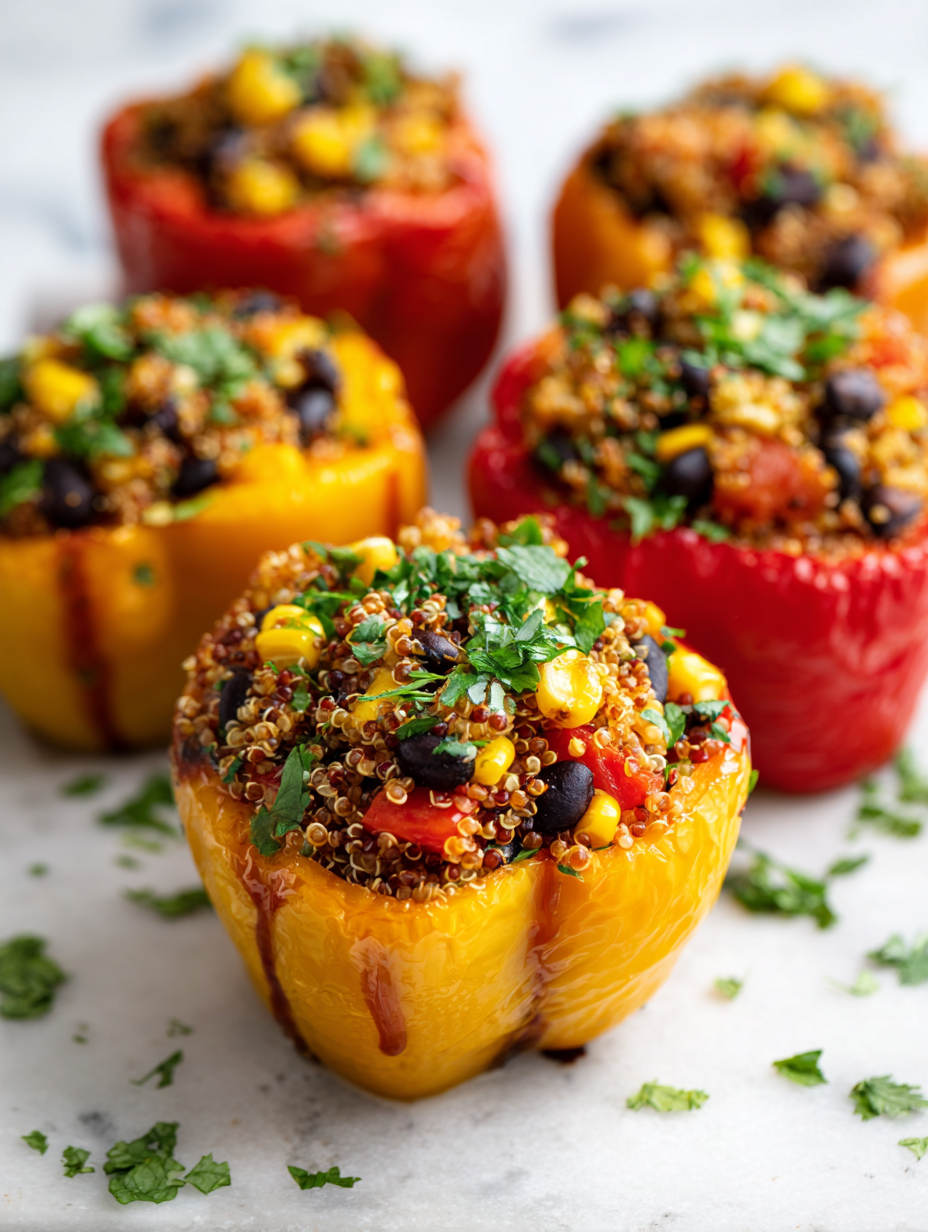
Vegan Roasted Stuffed Peppers
Ingredients
Equipment
Method
- Preheat your oven to 200°C (390°F). Line a baking sheet with parchment paper and set aside.
- Using a sharp knife, carefully cut off the tops of each bell pepper and scoop out the seeds and membranes, creating edible bowls.
- Arrange the peppers cut-side up on the prepared baking sheet. Drizzle with a little olive oil and roast for 20-25 minutes until slightly charred and softened, filling the air with a smoky aroma.
- While the peppers roast, heat a tablespoon of olive oil in a skillet over medium heat. Add the minced garlic and sauté until fragrant, about 1 minute, releasing a warm, nutty scent.
- Add the cooked quinoa, chickpeas, cumin, and tomato paste to the skillet. Stir well, cooking for another 5 minutes until everything is heated through and the mixture is slightly thickened.
- Once the peppers are roasted and cooled slightly, use a spoon to stuff each with the hearty filling, pressing gently to pack it in. If using vegan cheese, sprinkle a little on top now.
- Return the stuffed peppers to the oven and bake for an additional 10 minutes at 180°C (350°F), until the filling is bubbling and the cheese (if added) is melted and golden.
- Remove from the oven, let rest for 5 minutes, then drizzle with a little fresh olive oil or chopped herbs for brightness. Serve hot, enjoying the contrast of tender peppers and savory filling.
Tips & Tricks for Perfect Stuffed Peppers
- Bolded edges: Use a hot oven (200°C/390°F) to get those peppers nicely charred without overcooking the flesh.
- Layer flavors: Sauté onions and garlic until fragrant and slightly caramelized—this builds a richer filling base.
- Pre-stuff check: Make sure peppers are tender but still hold shape before stuffing, about 20 minutes roasting.
- Cheese melt: For a gooey finish, add vegan cheese in the last 10 minutes of baking and keep an eye so it doesn’t burn.
- Rest time: Let stuffed peppers sit for 5 minutes after baking; this helps filling settle and flavors meld.
- Flavor boost: Drizzle finished peppers with a splash of good olive oil or fresh herbs right before serving for a fresh aroma.
- Peppers prep: Remove seeds and membranes carefully to prevent excess bitterness and ensure even cooking.
Common mistakes and how to fix them
- MISSED SEASONING: Always taste filling before stuffing, adjust salt and spices accordingly.
- OVERCOOKED PEPPERS: Roast until just tender, avoid blackened, mushy peppers by monitoring closely.
- DULL FLAVOR: Add fresh herbs last to preserve brightness and avoid bitterness.
- UNDERRIPE PEPPERS: Use firm, glossy peppers for better roasting and sweeter flavor.
Quick Fixes and Pantry Swaps
- When peppers are too firm, splash them with a little water and microwave 30 seconds to soften.
- DUMPED filling? Patch with a bit more cooked grains and herbs for extra flavor.
- Over-torched edges? Shield peppers with foil and lower oven temperature, then continue baking gently.
- If filling is too dry, add a splash of vegetable broth or lemon juice to brighten and loosen.
- Pantry swap: Use sun-dried tomatoes instead of fresh herbs for a concentrated, smoky hit.
Prep, store, and reheat tips
- Preparing the filling ahead saves time; assemble it a day in advance, then refrigerate for up to 24 hours. The flavors meld beautifully overnight, making the stuffing even more vibrant when baked.
- Roast the peppers up to 2 days ahead. Once cooled, store them in an airtight container in the fridge; they will develop a slightly smoky aroma, which deepens the flavor profile.
- Store leftovers in a sealed container for up to 3 days. Reheat in a 180°C (350°F) oven for about 10 minutes until warmed through and fragrant, with peppers slightly tender and filling piping hot.
- To reheat from frozen, thaw in the fridge overnight. Reheat covered in the oven until bubbling and peppers are hot, with the filling steaming and the edges slightly crispy. The aroma of roasted peppers will be waiting.
Top questions about vegan stuffed peppers
1. Why do roasted peppers taste better?
Roasting peppers brings out a natural caramelized sweetness, balancing the savory filling with smoky, sweet notes.
2. How do I pick the right peppers?
Use firm, glossy peppers for roasting; avoid wrinkled or soft ones to prevent uneven cooking or mushiness.
3. Can I use different grains?
Pre-cooked grains like quinoa or rice work best; they absorb flavors well and keep the filling fluffy and moist.
4. Can I swap out the legumes?
Yes, chickpeas give a hearty, nutty flavor; lentils or black beans can be good substitutes depending on texture preference.
5. Should I add vegan cheese?
Add vegan cheese in the last 10 minutes to melt and get that gooey, smoky texture—watch carefully to avoid burning.
6. How do I reheat leftovers?
To reheat, warm in the oven at 180°C (350°F) for about 10 minutes until bubbling and fragrant, ensuring the filling heats evenly.
7. How long can I store stuffed peppers?
Store filled peppers in an airtight container for up to 2 days. Reheat in the oven until the filling is steaming and peppers are tender.
8. What equipment do I need?
Use a sharp knife to cut peppers, a spoon for stuffing, and a baking sheet lined with parchment for roasting.
9. What if the peppers aren’t tender enough?
If peppers are undercooked, roast a few more minutes until edges are charred and peppers are soft to the touch.
10. How do I fix dry filling?
When filling is too dry, stir in a splash of vegetable broth or lemon juice to brighten and loosen it up.
These vegan stuffed peppers are more than just a dinner—they’re a reminder that simple ingredients, when treated with care, can surprise and satisfy. Roasting peppers to bring out their natural sweetness feels like a small act of magic that makes this dish special.
In a world that’s constantly rushing, this recipe offers a moment to slow down and enjoy the process. It’s a dish that invites you to experiment, taste, and truly appreciate the humble beauty of plant-based cooking.
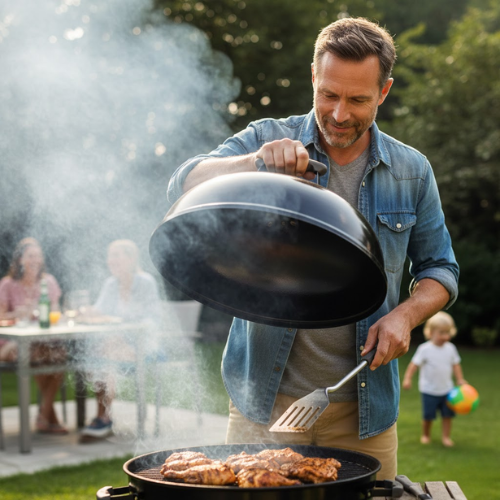
Hi, I’m Theo Granger, the voice and recipe creator behind Boldly Overseasoning.
If you believe salt is not the enemy, spices should be generous, and flavor should never whisper when it can sing, then you are absolutely in the right place. Boldly Overseasoning is my unapologetic celebration of big flavor, confident cooking, and trusting your instincts in the kitchen. I created this space for people who are done with bland food and ready to cook with courage.

Leave a Reply