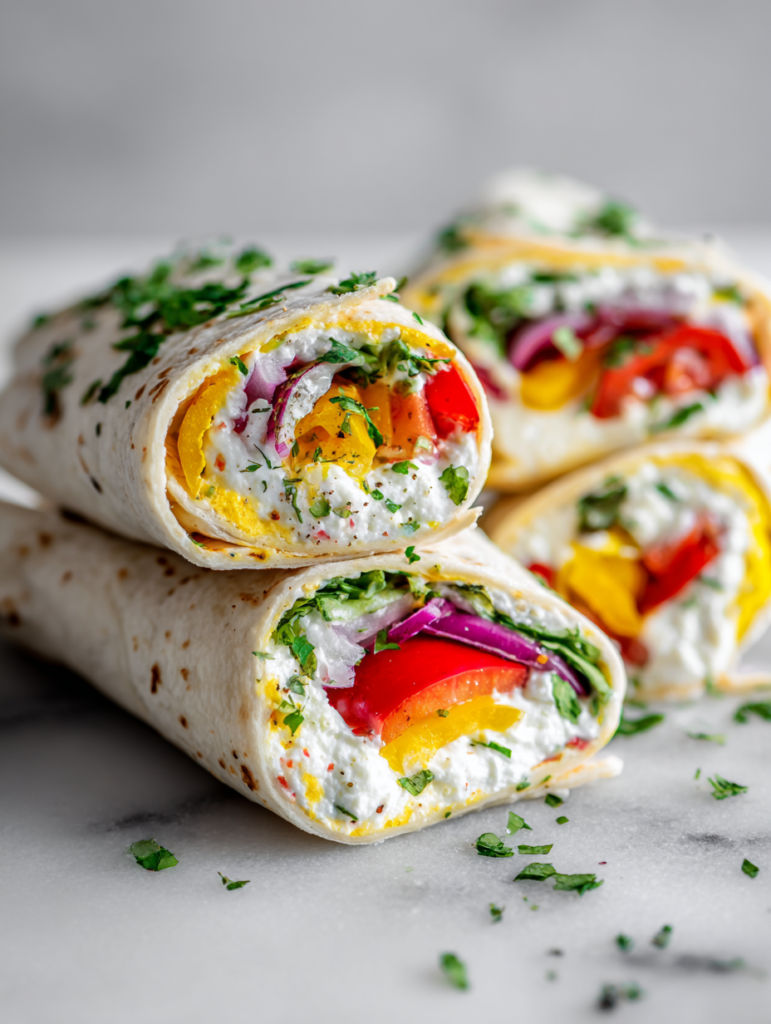
Egg whites are often dismissed as just a light protein option, but they can be the hero of a versatile wrap that’s both satisfying and adaptable. This recipe isn’t about perfection, but about making something that works in real life—something you can throw together quickly and fill with whatever you have on hand.
I started playing with egg whites as a wrap after a hectic morning when I needed something portable, filling, but not heavy. The trick was finding a way to make them sturdy enough to hold fillings without cracking or falling apart. Turns out, a gentle flip and a non-stick pan are all you need.
What I love about this is how endlessly customizable it is. Sweet or savory, veggies or meats, everything wraps up nicely in these delicate but resilient egg white shells. It’s a simple idea, but one I keep coming back to when I want a light, protein-packed meal that feels just right.
Focusing on the versatility of egg whites, this recipe explores how they can be transformed into a sturdy, flavorful wrap that holds fillings well, while also emphasizing their role in light, protein-packed meals that can be customized endlessly.
Egg Whites as a Canvas
- Finding this egg white wrap trick was a small victory on busy mornings, especially when I need something quick and light.
- There’s a quiet satisfaction in flipping these delicate shells without tearing them—kind of like a tiny, fragile dance in my kitchen.
- I love how flexible the egg whites are; they can be savory or sweet, and still hold together, which keeps breakfast interesting.
- Sometimes I add a pinch of smoked paprika or fresh herbs to the mix—little touches that turn a simple wrap into something special.
- Making these wraps reminds me to keep things simple and trust that a handful of ingredients can create comfort in every bite.
The story behind this recipe
- This egg white wrap came from a morning when I was rushing to get out the door but still wanted something nourishing and light. I didn’t have time for bread or tortillas, so I started experimenting with egg whites. Turns out, they can be cooked into a thin, sturdy shell that’s perfect for wrapping up leftovers or fresh veggies.
- I remember the first time I flipped one perfectly—there’s a tiny thrill in catching that delicate, translucent sheet without tearing it. It’s a humble technique, but it made me see how versatile egg whites really are. Now, I keep a stash in the fridge for quick meals, especially when I crave something protein-rich and fuss-free.
- heading: The story behind this recipe
Historical & Cultural Trivia
- Egg whites have been a dietary staple for centuries, valued for their high protein and low fat content.
- This recipe draws inspiration from traditional Japanese tamagoyaki, where beaten eggs are cooked into layered sheets, but repurposed for a modern, portable wrap.
- The idea of using egg whites as a wrap gained popularity in recent health-focused food trends, emphasizing light, high-protein meals.
- Historically, cooks have experimented with egg-based crepes and thin omelets, but turning them into sturdy, foldable wraps is a more recent innovation.
Key Ingredients Breakdown
- Egg whites: I find them more forgiving than whole eggs, and their neutral flavor lets fillings shine. If yours are from a carton, give them a good shake before pouring.
- Salt: Just a pinch brightens the egg whites and helps with binding. Too much, and it might taste salty—start small and adjust if needed.
- Non-stick spray: I use a light spray to prevent sticking and make flipping easier. Skip it, and you might end up with a fragile shell sticking to the pan.
- Optional herbs or spices: A dash of pepper or chopped chives adds flavor. These are your chance to customize—go bold or keep it simple.
- Filling ingredients: Think crisp veggies, tender meats, or creamy spreads. Freshness makes all the difference in texture and taste, so choose what’s vibrant.
- Cooking oil (if not using non-stick): Just a teaspoon helps crisp up the edges and prevents sticking. Use a neutral oil like canola or avocado for the best heat tolerance.
- Vivid sensory cue: The egg whites cook into a translucent, slightly jiggly sheet—pay attention to that gentle crackle and the subtle aroma of cooked eggs.
Spotlight on key ingredients
Egg whites:
- I find them more forgiving than whole eggs, and their neutral flavor lets fillings shine. If yours are from a carton, give them a good shake before pouring.
- Salt: Just a pinch brightens the egg whites and helps with binding. Too much, and it might taste salty—start small and adjust if needed.
- Vivid sensory cue: The egg whites cook into a translucent, slightly jiggly sheet—pay attention to that gentle crackle and the subtle aroma of cooked eggs.
Cooking spray:
- Non-stick spray: I use a light spray to prevent sticking and make flipping easier. Skip it, and you might end up with a fragile shell sticking to the pan.
- Optional herbs or spices: A dash of pepper or chopped chives adds flavor. These are your chance to customize—go bold or keep it simple.
- Sensory detail: When cooking, the egg whites shimmer slightly and crackle as they set, signaling it’s time to flip.
Notes for ingredient swaps
- Dairy-Free: Use aquafaba instead of egg whites. It whips up similarly but has a slightly more neutral, bean-like flavor.
- Vegan: Tofu scramble can replace egg whites for a protein boost with a softer texture.
- Low-Sodium: Skip added salt or substitute with herbs like dill or basil to boost flavor without extra salt.
- Herb Variations: Fresh thyme or cilantro can replace chives or parsley for a different aroma and taste.
- Spice It Up: Add smoked paprika or cumin to the egg whites for a smoky, warm note.
- Oil Swap: Use avocado oil instead of non-stick spray for a richer flavor and better heat tolerance.
- Fillings: Swap in roasted sweet potatoes or grilled zucchini for a more hearty, seasonal twist.
Equipment & Tools
- Small mixing bowl: To whisk the egg whites.
- Whisk: To beat the egg whites until frothy.
- Non-stick skillet (20cm/8in): To cook the egg whites evenly.
- Spatula: To flip and handle the delicate sheets.
- Plate: To stack and cool the cooked wraps.
Step-by-step guide to egg white wraps
- Gather a small mixing bowl, a whisk, a non-stick skillet (about 20cm/8in diameter), a spatula, and a plate for stacking. Lightly spray the pan with oil and heat over medium-low (around 150°C/300°F).
- In the bowl, whisk 3 large egg whites with a pinch of salt until just combined. The mixture should be frothy but not stiff.
- Pour about 1/4 cup (60ml) of the egg whites into the skillet, tilting to spread into a thin, even layer. Cook for 1-2 minutes until the edges set and turn slightly golden, with a gentle crackle audible.
- a. Carefully lift the edge of the egg white with a spatula. b. Gently flip the sheet over, using the spatula or by flipping the pan if you’re confident. c. Cook for another 30 seconds until fully set but still tender. If tearing occurs, reduce heat slightly.
- Once cooked, transfer the egg sheet onto a plate. Repeat with the remaining egg whites, stacking each cooked sheet on top of the last to keep them moist and pliable.
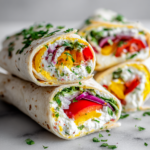
- Allow the wraps to cool for 1-2 minutes. Fill with your favorite ingredients—fresh veggies, spreads, or proteins—and roll tightly.
- Finish by folding or rolling the wrap, then serve immediately or pack for later. The wraps are best enjoyed fresh but can be stored in an airtight container in the fridge for up to 24 hours.
Let the wraps cool slightly on a plate for 1-2 minutes before filling. Roll or fold as desired, then serve immediately or store in an airtight container. Warm briefly if reheating, until just pliable and fragrant.
How to Know It’s Done
- Edges are golden and slightly crispy, with a gentle crackle during cooking.
- Egg whites are fully set, shiny, and no longer jiggle when gently shaken.
- Wraps are flexible but sturdy enough to hold fillings without tearing.
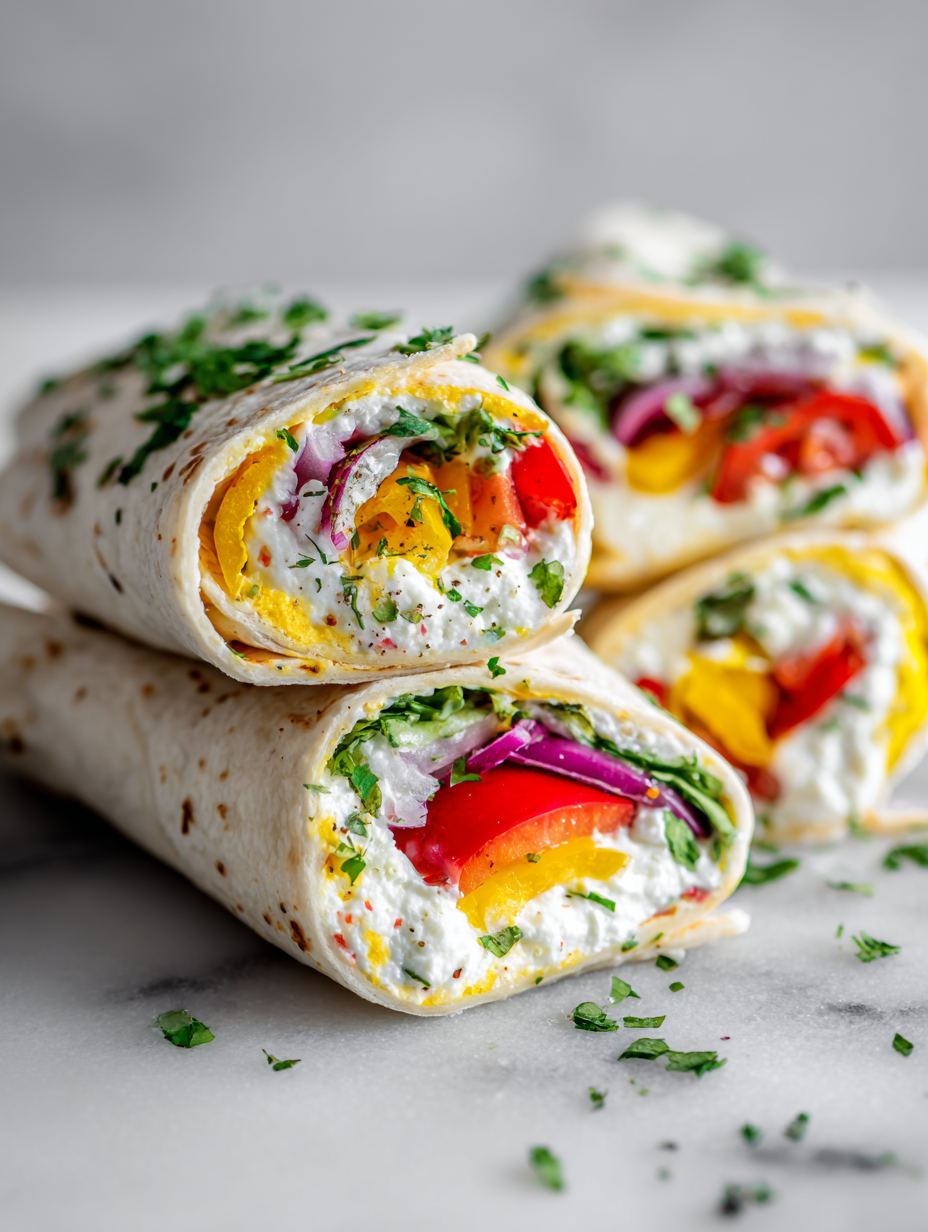
Egg White Wraps
Ingredients
Equipment
Method
- Lightly spray the skillet with non-stick spray and heat over medium-low until warm and shimmering, with a gentle crackling sound.
- In the small mixing bowl, whisk the egg whites with a pinch of salt until just frothy and slightly bubbly, about 30 seconds.
- Pour about 1/4 cup of the egg whites into the skillet, tilting the pan to spread the mixture into a thin, even layer that covers the bottom.
- Let the egg whites cook for 1-2 minutes, watching for the edges to turn golden and become slightly crispy while the center is still translucent and slightly jiggly.
- Gently lift an edge of the egg sheet with a spatula, then carefully flip it over, using a quick, confident motion to avoid tearing.
- Cook for another 30 seconds until the other side is lightly golden and set, then transfer the cooked sheet onto a plate. Repeat the process with the remaining egg whites, stacking each sheet on top to keep them moist and pliable.
- Allow the stacks to cool for a minute or two, then fill the wraps with your favorite ingredients such as fresh vegetables, spreads, or proteins. Roll or fold the wraps tightly.
- Serve immediately for best texture, or store in an airtight container in the fridge for up to 24 hours. Reheat briefly in a non-stick pan if desired to restore flexibility.
Notes
Pro tips for perfect egg white wraps
- Use a non-stick pan to prevent sticking and make flipping easier—your fragile sheets will thank you.
- Whisk the egg whites until frothy but not stiff—airiness helps create a tender, pliable wrap.
- Pour a thin, even layer and cook over low-medium heat—this prevents browning and keeps the wrap delicate.
- Flip gently and quickly—use a flexible spatula to avoid tearing the fragile egg sheet.
- Keep the cooked sheets stacked and covered with a damp cloth—this retains moisture and prevents drying out.
- Don’t rush the flip—wait for edges to turn slightly golden and the crackle to lessen before turning.
- Reheat in a hot, lightly oiled pan for a few seconds—restores flexibility and adds a slight crispness.
Common mistakes and how to fix them
- FORGOT to preheat the pan → Always warm the pan before pouring egg whites.
- DUMPED too much batter → Use just enough to create a thin, even layer.
- OVER-TORCHED the edges → Reduce heat if edges turn dark too quickly.
- RIPPED the shell when flipping → Use a gentle, quick flip with a flexible spatula.
Quick Fixes and Pantry Swaps
- If eggs stick, splash a little more oil and gently lift the edges.
- When shells crack, patch with a small piece of egg white and continue cooking.
- Splash cold water on over-torched edges to cool and prevent burning.
- Dumped too much batter? Use a paper towel to soak up excess and thin the layer.
- When in doubt, shield delicate sheets with a lid or plate to even out heat and avoid cracking.
Prep, store, and reheat tips
- Prepare the egg white mixture in advance: Whisk and store covered in the fridge for up to 24 hours, the mixture will stay frothy and ready to pour.
- Cooked egg white sheets can be stacked with parchment paper in an airtight container, lasting up to 24 hours in the fridge; reheat briefly in a non-stick pan until warm and pliable.
- For longer storage, freeze the cooled sheets layered with parchment, wrapped tightly; thaw in the fridge and reheat gently to restore flexibility.
- Reheating will intensify the egg whites’ aroma and slightly alter texture; look for a soft, warm wrap with a gentle crackle, not dryness or sogginess.
Common Questions About Egg White Wraps
1. Can I use fresh eggs instead of carton egg whites?
Use fresh or carton egg whites, and whisk until frothy but not stiff. This creates a light, pliable wrap.
2. What temperature should I cook the egg whites at?
Cook over low-medium heat, about 150°C/300°F, until edges are golden and crackle sounds diminish.
3. Can I add flavorings to the egg whites?
Yes, adding herbs or spices like chives or paprika boosts flavor. Keep fillings simple so the egg white flavor shines.
4. How should I store cooked egg white wraps?
Stack cooked sheets with parchment paper, cover, and refrigerate up to 24 hours. Reheat briefly in a non-stick pan.
5. What if the egg sheet tears when flipping?
Use a flexible spatula to flip gently. If tearing occurs, lower the heat and flip more slowly next time.
6. What equipment is best for cooking egg white wraps?
A non-stick pan helps prevent sticking and makes flipping easier. Light spray is best for delicate sheets.
7. How much egg white should I use for each wrap?
Pour about 1/4 cup (60ml) of egg whites in a thin layer. Cook until edges turn slightly golden and crackle.
8. How do I know when the egg whites are cooked properly?
Egg whites are translucent and slightly jiggly when cooked. They crackle gently and develop a faint aroma of cooked eggs.
9. How do I fix overcooked or undercooked egg whites?
If over-browned, reduce heat or cover the pan to prevent burning. If too soft, cook a little longer or increase heat slightly.
10. What quick fix if the edges burn or crack during cooking?
Splash cold water on over-torched edges, or shield with a lid to even out heat and protect delicate shells.
These egg white wraps are a quiet reminder that simple ingredients can be surprisingly versatile. They’re perfect for a quick, high-protein meal that feels light but satisfying, especially when you want something different from bread or tortillas.
Whenever I make them, I think about how a tiny flip and a gentle touch turn fragile egg whites into a sturdy, flexible canvas. It’s a humble technique, but it keeps me coming back when I need a quick, nourishing wrap that’s honestly just fun to make.

Hi, I’m Theo Granger, a former line cook and unapologetic flavor maximalist from New Orleans. I believe there are two types of people in this world: those who season their food, and those who LIVE to season their food. This blog is for the latter.