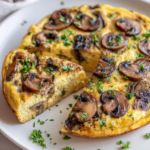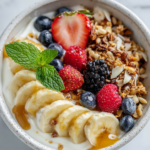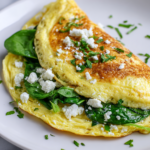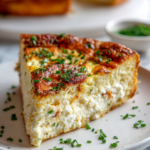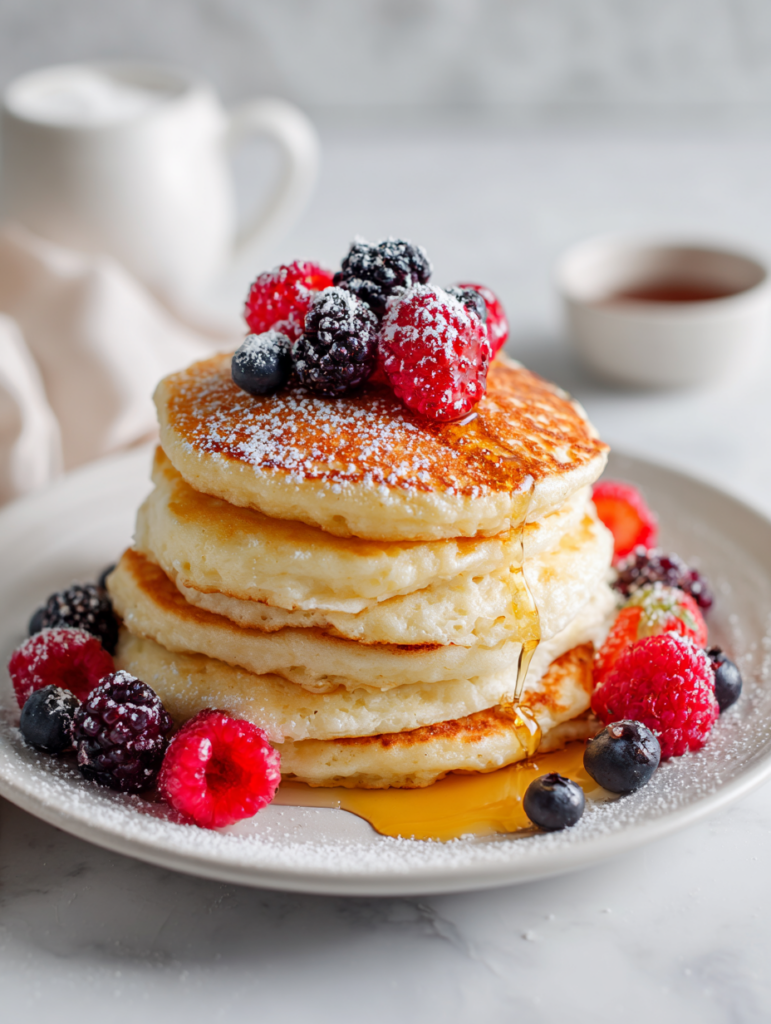
Turning cottage cheese into pancakes isn’t just about making breakfast. It’s about rethinking what this humble ingredient can do, especially when you’re craving something comforting but different. I stumbled on this recipe during a chaotic weekend, mixing up leftovers and craving a bit of sweetness with that familiar tanginess of cottage cheese.
What I love is how simple ingredients come together to create a fluffy, slightly tangy pancake that’s perfect for mornings when you want something hearty but not heavy. It’s a reminder that even the most unassuming ingredients can surprise you with their versatility, especially when you’re not expecting it. This recipe feels like a small rebellion against the usual, turning a curious dairy into a breakfast that’s both nostalgic and fresh.
Transforming cottage cheese from a savory curiosity into a fluffy, sweet breakfast treat that surprises everyone.
Rethinking Cottage Cheese for Breakfast
- I love how these pancakes turn out both creamy and fluffy, a real comfort with a tangy kick.
- There’s a quiet pride in transforming cottage cheese into something sweet and satisfying before sunrise.
- Sometimes, I just need a quick breakfast that’s honest and doesn’t hide its dairy roots.
- This recipe reminds me that simple ingredients, when treated right, can surprise you with their versatility.
The story behind this recipe
- This recipe was born out of a lazy Sunday morning, when I found myself staring at a tub of cottage cheese that needed using up. Instead of the usual scramble or toast, I wondered if it could make something more interesting—like pancakes that are fluffy yet tangy, with a bit of a cheeky twist.
- The idea stuck because I’ve always loved how cottage cheese adds a creamy texture, but I wanted to see if I could turn that into a breakfast that feels indulgent but still light. It’s funny how a simple ingredient like this can inspire a totally different breakfast vibe, especially when you’re looking for something satisfying but not heavy.
- heading: Rethinking Cottage Cheese for Breakfast
Trivia and Origins
- These pancakes originated as a way to make use of leftover cottage cheese, turning it into a breakfast treat instead of letting it go to waste.
- In Eastern European cuisines, cottage cheese has long been a staple, but turning it into sweet pancakes is a modern twist that gained popularity in recent years.
- This recipe taps into the trend of transforming savory ingredients into sweet dishes, showcasing the versatility of dairy products in unexpected ways.
Key Ingredients Breakdown
- Cottage cheese: I love how its creamy, slightly tangy texture gives these pancakes their unique bite, but feel free to try ricotta for a milder flavor.
- Flour: I prefer all-purpose for structure, but almond flour adds a nuttier taste if you’re going gluten-free—or skip it for a softer crumb.
- Eggs: They’re the binder that keeps everything together, giving the pancakes lift. You could try flax eggs for a vegan twist, though they’re a bit denser.
- Sweetener: I use honey or maple syrup, which adds a gentle sweetness and aroma, but a splash of vanilla can elevate the flavor without extra sugar.
- Baking powder: This is what makes the pancakes fluffy. If you’re out, a pinch of baking soda + acid (like lemon juice) can do the trick.
- Butter or oil: I prefer butter for richness, but coconut oil gives a subtle tropical note. Use enough to prevent sticking and add crispness.
- Optional add-ins: Blueberries or chopped nuts add texture and bursts of flavor—just fold them gently into the batter before cooking.
Spotlight on key ingredients
Cottage Cheese:
- I love its creamy, slightly tangy texture that gives these pancakes their signature bite, but feel free to try ricotta for a milder flavor.
- It behaves differently during cooking—puffs up slightly and maintains a moist interior, adding a rich, velvety feel to every bite.
Flour:
- I prefer all-purpose for structure, but almond flour adds a nuttier taste if you’re going gluten-free—or skip it for a softer crumb.
- It absorbs moisture differently, making the batter thicker or looser, and influences how crisp or tender the pancakes turn out.
Notes for ingredient swaps
- Dairy-Free: Substitute cottage cheese with blended silken tofu or coconut yogurt. Expect a slightly different tang and creaminess, but still satisfying.
- Flour: Swap all-purpose flour with almond or oat flour for a nuttier flavor and a softer crumb. Adjust the quantity slightly if needed for batter consistency.
- Sweetener: Use agave syrup or coconut sugar instead of honey or maple. The flavor will shift to a more caramel-like note, and sweetness may vary.
- Eggs: Replace eggs with flaxseed meal mixed with water for a vegan version. The pancakes will be a bit denser, but still tender.
- Baking Powder: If out, try a pinch of baking soda with a splash of lemon juice or vinegar to activate the leavening. Peeks of fluffiness may differ slightly.
- Oil or Butter: Swap for melted coconut oil or applesauce to reduce saturated fat; the pancakes might be slightly less crisp but still moist.
- Add-ins: Fresh berries or chopped nuts can be swapped or omitted based on preference, adding texture or flavor bursts as you like.
Equipment & Tools
- Non-stick skillet or griddle: Provides even heat for cooking pancakes without sticking.
- Spatula: Flips the pancakes gently without breaking them.
- Mixing bowls: Separate bowls for wet and dry ingredients to keep things organized.
- Whisk: Ensures smooth, lump-free batter.
Step-by-step guide to cottage cheese pancakes
- Equipment ready: a non-stick skillet or griddle, a spatula, a mixing bowl, and a whisk. Preheat your pan over medium heat (~160°C / 320°F).
- In the bowl, whisk together 1 cup of all-purpose flour, 1 teaspoon baking powder, and a pinch of salt. Set aside.
- In another bowl, combine 3/4 cup cottage cheese, 2 large eggs, 2 tablespoons honey or maple syrup, and 1 teaspoon vanilla extract. Mix until smooth and creamy.
- Pour the wet mixture into the dry ingredients. Gently fold until just combined. Do not overmix; a few lumps are fine.
- Heat a small knob of butter or oil in the preheated pan. Once melted and shimmering, ladle about 1/4 cup of batter per pancake onto the pan.
- Cook the pancakes for about 2-3 minutes, until bubbles form on the surface and edges look set. They should be golden around the edges.
- Flip carefully with a spatula. Cook for another 1-2 minutes, until the underside is golden brown and the pancake feels firm when pressed lightly.
- Check for doneness: pancakes should be puffed, golden, and slightly crisp on the outside, with a tender interior.
- Remove from heat and let rest for 1 minute. If stacking, place a paper towel between layers to prevent sticking.
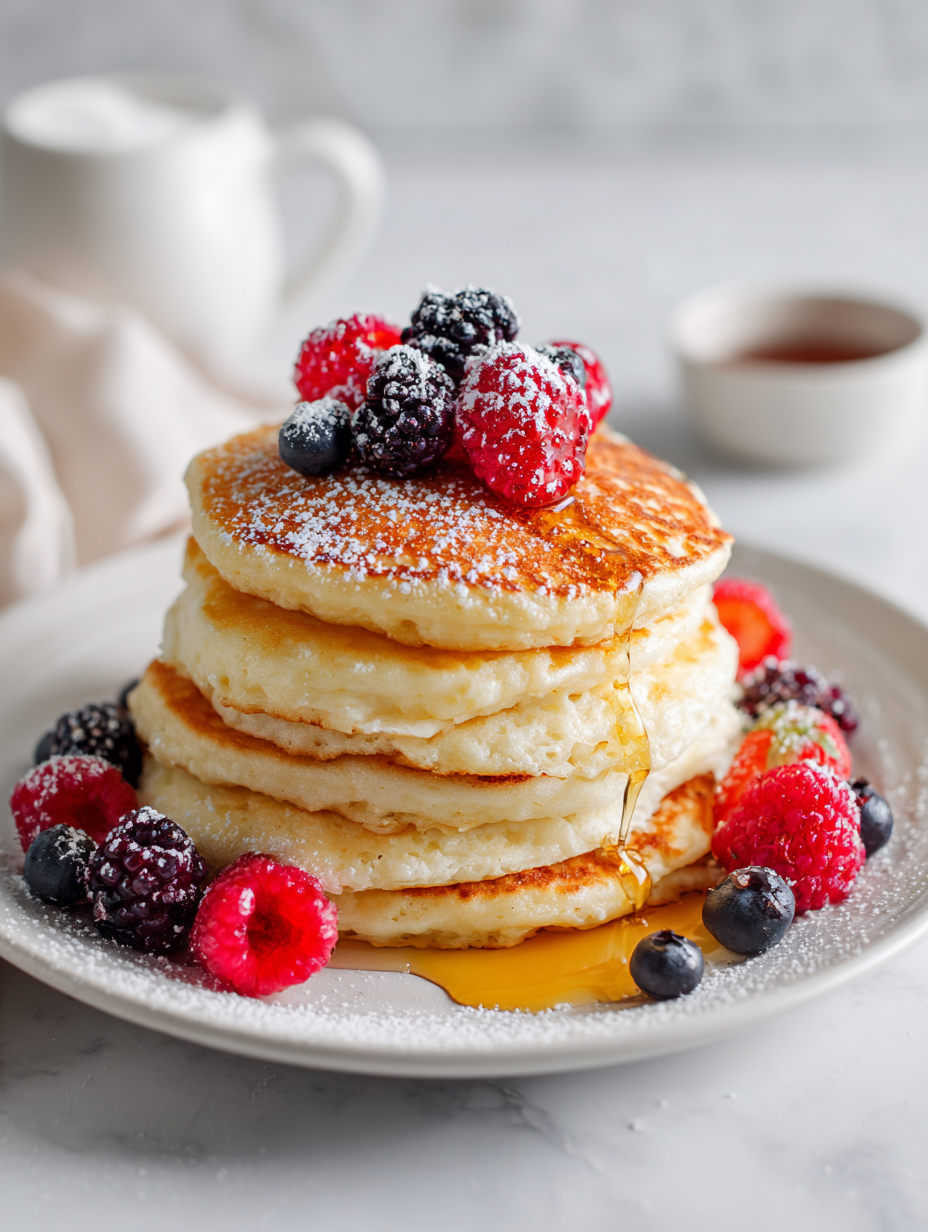
- Serve warm with your favorite toppings—fresh berries, a drizzle of honey, or a dollop of extra cottage cheese.
Let the pancakes rest for a minute to firm up. Plate and add toppings as desired. Serve immediately while warm and tender.
How to Know It’s Done
- Pancakes are golden and slightly crisp on the edges.
- Bubbles form and pop on the surface before flipping.
- Interior feels light, fluffy, and cooked through when tested with a skewer or finger press.
Sweet Cottage Cheese Pancakes
Ingredients
Equipment
Method
- In a mixing bowl, whisk together the flour, baking powder, and salt until evenly combined. This creates a light, airy base for your pancakes.
- In a separate bowl, combine the cottage cheese, eggs, honey, and vanilla. Whisk until the mixture is smooth and slightly creamy, with a fragrant aroma filling the air.
- Pour the wet mixture into the dry ingredients and gently fold everything together using a spatula. Do not overmix; a few lumps are fine, and this helps keep the pancakes fluffy.
- Preheat your skillet or griddle over medium heat until hot, and add a tablespoon of butter or oil. Let it melt and shimmer, filling the kitchen with a warm, toasty smell.
- Using a 1/4 cup measure, pour batter onto the skillet, forming small, thick pancakes. You should hear a gentle sizzle as they hit the hot surface.
- Let the pancakes cook for about 2-3 minutes until bubbles appear on the surface and the edges look set, with a light golden hue starting to develop.
- Carefully flip each pancake with a spatula and cook for another 1-2 minutes until the underside is golden brown and the pancakes feel firm when gently pressed.
- Remove the cooked pancakes from the skillet and place them on a plate. Repeat with the remaining batter, adding more butter or oil as needed.
- Let the pancakes rest for a minute to finish setting, then serve warm with your favorite toppings like fresh berries, syrup, or a dollop of extra cottage cheese.
Notes
Tips & Tricks for Perfect Pancakes
- Use a non-stick pan for easy flipping and less oil.
- Let the batter rest for 5 minutes—this helps the flour hydrate and traps air for fluffiness.
- Cook pancakes on medium-low heat—too hot and they burn outside before cooking through.
- Gently press the pancakes with a spatula’s back to encourage even browning and a tender interior.
- For extra crispness, brush the pancakes lightly with melted butter just before serving.
- Check for doneness by feeling the pancake’s firmness and looking for golden edges—don’t just rely on color.
- Keep cooked pancakes warm in a low oven (around 93°C/200°F) while finishing the rest—this keeps them soft yet warm.
Common mistakes and how to fix them
- FORGOT to check pancake color → Flip when golden and edges are firm.
- DUMPED batter too quickly → Let bubbles form before flipping for even cooking.
- OVER-TORCHED pancakes → Adjust heat to medium-low if edges burn too fast.
- MISSED resting time → Rest pancakes 1 minute for better texture and easier stacking.
Quick fixes and pantry swaps
- When pancakes stick, splash a little water around the pan’s edge to create steam and loosen them.
- If batter is too thick, add a splash of milk or water; it should be pourable but not runny.
- Patch uneven cooking by adjusting heat—lower if edges burn too fast, higher if inside is undercooked.
- When pancakes are too dense, fold in a small amount of whipped egg whites just before cooking for extra lift.
- Shield delicate pancakes with a lid or foil if they brown too quickly, keeping the inside tender.
Prep, store, and reheat tips
- Prepare the batter up to 24 hours ahead; keep it covered in the fridge to prevent skin formation, and give it a gentle stir before cooking. Expect a slightly thicker consistency after chilling.
- Cooked pancakes can be stored in an airtight container in the fridge for up to 2 days. Reheat gently in a toaster or skillet until just warmed through, aiming for a slight shimmer and soft interior.
- For longer storage, freeze pancakes in a single layer on a baking sheet, then transfer to a zip-top bag. They keep well for up to 1 month. Reheat straight from freezer—just add a minute or two on low heat until steamy and tender.
- Refrigerated batter may develop a tangy aroma over time; give it a quick stir and check the consistency. If it’s too thick, loosen with a splash of milk or water before cooking to restore its fluffiness.
Top questions about cottage cheese pancakes
1. Can I use low-fat cottage cheese?
Use full-fat cottage cheese for the best texture and flavor, but low-fat works if you prefer lighter pancakes.
2. What if my batter is too thick?
Yes, adding a splash of milk can loosen the batter if it feels too thick before cooking.
3. How hot should I cook the pancakes?
Cooking on medium-low heat ensures pancakes cook through without burning on the outside, about 160°C / 320°F.
4. When is it the right time to flip?
Flip when bubbles appear on the surface and edges look set, usually after 2-3 minutes.
5. How should I store leftovers?
Storing cooked pancakes in an airtight container for up to 2 days works well; reheat in a skillet or toaster.
6. Can I add mix-ins?
Adding berries or chopped nuts during mixing adds texture and flavor; fold gently to keep batter light.
7. Can I substitute the cottage cheese?
Yes, substitute with ricotta or mascarpone for a milder, creamier taste, but expect a slightly different texture.
8. What pan should I use?
Use a non-stick pan to prevent sticking and make flipping easier, especially if your batter is runnier.
9. Can I make the batter in advance?
Batter can be prepared up to 24 hours ahead; keep it covered in the fridge and give it a stir before cooking.
10. How can I make the pancakes fluffier?
If pancakes are too dense, gently fold in whipped egg whites just before cooking for extra fluffiness.
These cottage cheese pancakes are a quiet reminder that simple ingredients can surprise you in the best way. Their tangy, creamy bite feels both nostalgic and fresh, especially now when mornings crave comfort with a twist.
Sharing this recipe feels like passing along a little secret—something that’s easy to make but still special enough to turn breakfast into a small celebration. Sometimes, all it takes is a spoonful of cottage cheese and a hot pan to start the day with a little more warmth.

Hi, I’m Theo Granger, a former line cook and unapologetic flavor maximalist from New Orleans. I believe there are two types of people in this world: those who season their food, and those who LIVE to season their food. This blog is for the latter.